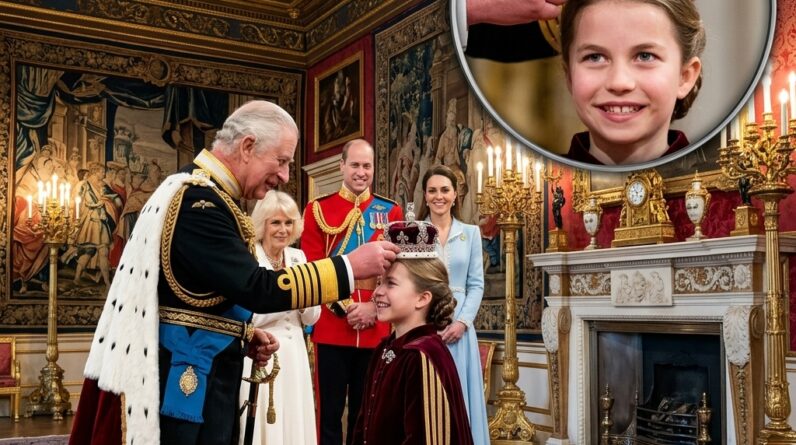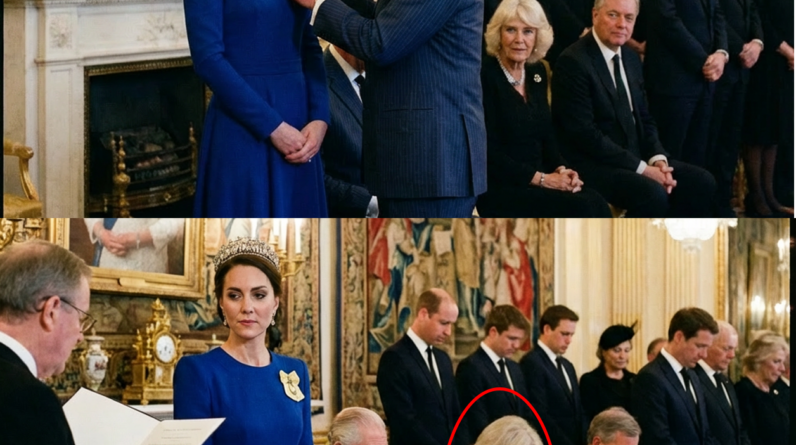
In a revelation that has stunned royal observers and the public alike, shocking details have emerged regarding the late Queen’s final testament. Reports confirm that Camilla, Duchess of Cornwall, has been notably absent from the late Queen’s last will, a decision that has ignited a firestorm of speculation across royal circles. In an unprecedented move, Princess Catherine, the Princess of Wales, has been named the heir to key royal assets and responsibilities, an unexpected turn that underscores her rising prominence within the monarchy.
This development not only reshapes the dynamics within the royal family but also signals a bold, symbolic step in succession planning, reflecting the late Queen’s enduring vision for the monarchy in a modern era.
The Shock of the Century
Royal experts have described the removal of Camilla’s name as “extraordinary,” noting that it upends long-held assumptions about her role in the monarchy. Traditionally, as the Queen Consort, Camilla was expected to inherit certain honorary positions, ceremonial responsibilities, and the associated prestige within the royal household. Her absence from the will, however, appears to reconfigure the balance of influence and succession in a way few anticipated.
The spotlight now firmly falls on Princess Catherine, whose selection as heir represents both a symbolic and practical decision. By passing the mantle to Catherine, the monarchy emphasizes continuity, youth, and a modernized image that resonates with the public while maintaining the gravitas of royal tradition.
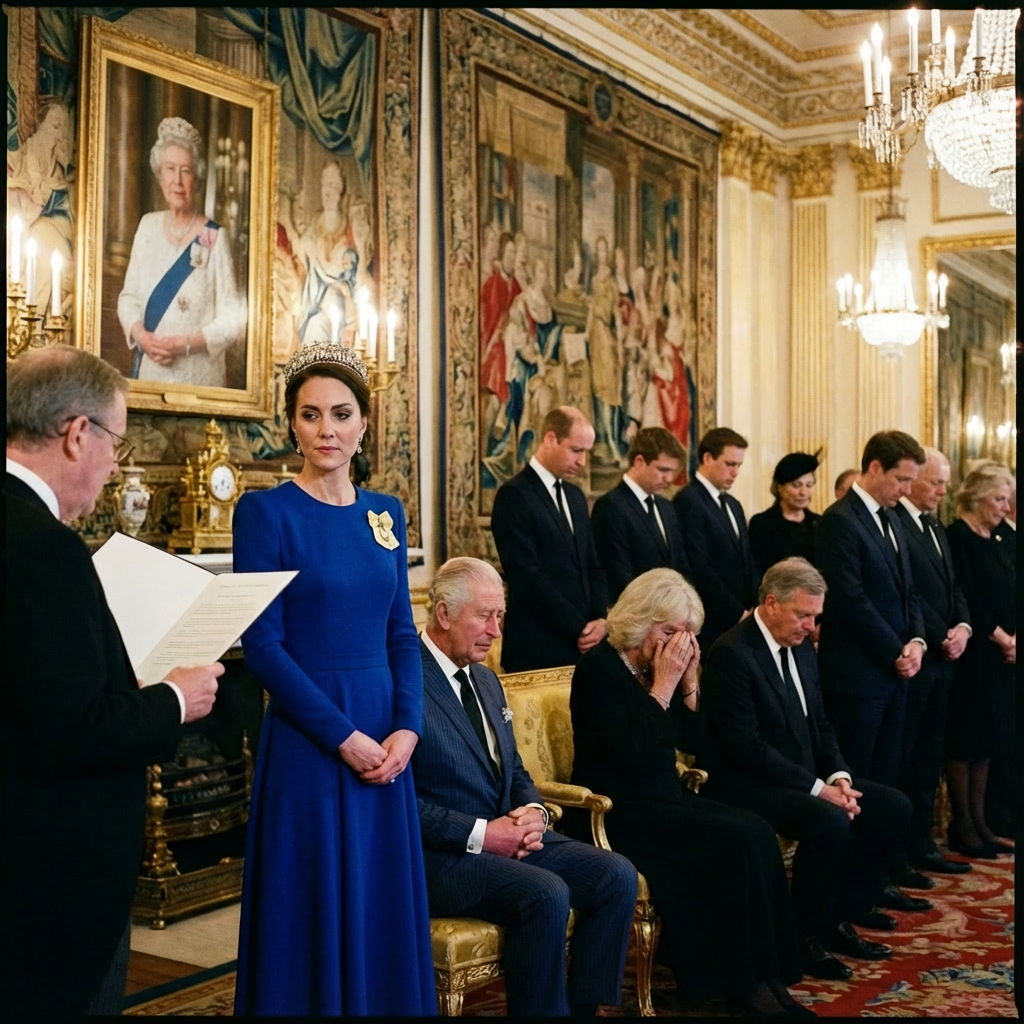
Princess Catherine: From Princess to Heir
Princess Catherine’s rise within the royal hierarchy has been methodical, blending personal achievement, public service, and an innate sense of duty. Her role as the Princess of Wales has already seen her champion causes ranging from mental health awareness to early childhood development, positioning her as a deeply respected figure in public life.
Being named the heir in the late Queen’s will amplifies Catherine’s influence, formalizing what many observers have long predicted: that she will play a central role in shaping the monarchy’s future. This inheritance extends beyond material wealth; it encompasses responsibilities, ceremonial authority, and the symbolic trust of a monarch who carefully curated her succession strategy.
The Exclusion of Camilla: Royal Shockwaves
The absence of Camilla from the will has ignited a flurry of reactions. Insiders report that the Duchess of Cornwall was blindsided by the revelation, with sources describing her response as “explosive” and “emotionally charged.” While Camilla has long been a supportive figure within the royal household, the omission signals a deliberate recalibration of influence, one that positions Catherine as the primary female figure entrusted with royal continuity.
The public, too, has reacted with a mix of surprise, intrigue, and curiosity. Social media platforms have erupted with discussions about the implications for royal dynamics, succession, and the evolving role of women in the monarchy. Hashtags such as #CatherineHeir, #RoyalWill, and #CamillaExcluded have begun trending globally, reflecting the magnitude of this revelation.

Historical Context: Royal Wills and Inheritance
Historically, royal wills have been both pragmatic and symbolic, designed to ensure continuity, allocate resources, and clarify succession in a complex institution. Monarchs have often used wills to express preferences that may not align with public expectations, emphasizing capability, loyalty, and vision over familial proximity.
The late Queen’s decision to name Catherine as heir is consistent with this historical precedent. By selecting a figure widely admired for poise, intellect, and public service, the Queen ensured that her legacy — encompassing both governance and ceremonial tradition — will be upheld by someone capable, respected, and in tune with modern public expectations.
Catherine’s Strengths as the Chosen Heir
Princess Catherine’s selection is more than symbolic. Her qualities make her uniquely suited to assume the responsibilities entrusted to her:
-
Diplomatic Acumen: Catherine has mastered the delicate balance of public engagement and discretion, an essential skill for maintaining the monarchy’s relevance in a rapidly changing world.
-
Philanthropic Leadership: From mental health campaigns to early education initiatives, Catherine’s projects demonstrate both compassion and strategic insight, aligning her public influence with meaningful societal impact.
-
Poise and Elegance: Catherine consistently projects grace under scrutiny, ensuring that every public appearance reinforces the dignity of the monarchy.
Royal analysts note that Catherine’s combination of intelligence, charm, and adaptability makes her an ideal custodian of the Queen’s legacy, capable of guiding the monarchy into a future that respects tradition while embracing change.
Public Reaction: Admiration and Debate
The public’s response has been immediate and intense. Admirers laud Catherine’s ascension as a reflection of merit and capability, celebrating her as a modern role model who embodies grace, intelligence, and empathy.
At the same time, the exclusion of Camilla has sparked debate about fairness, tradition, and the evolving expectations of royal spouses. Commentators note that while Camilla’s position as Queen Consort is secure, her absence from the will represents a dramatic shift in the allocation of ceremonial and symbolic power, emphasizing a generational transition within the monarchy.
Implications for the Royal Family
This decision is poised to reshape the internal dynamics of the royal family. Catherine’s elevated role may influence ceremonial precedence, philanthropic priorities, and public representation, potentially redefining the traditional hierarchy within the household.
For Camilla, the omission may require a recalibration of influence, focusing on supporting roles and ceremonial duties rather than direct custodianship of legacy assets. For Catherine, it provides a platform to step confidently into leadership, guiding the monarchy’s cultural, social, and diplomatic impact.
Symbolism and Legacy
The Queen’s choice to favor Catherine underscores a broader message about continuity, youth, and public perception. It signals a monarchy that values competence, grace, and public engagement over mere familial proximity or historical expectation. Catherine’s selection reinforces her position as a figure of trust, embodying the values and vision that the late Queen cherished throughout her reign.
The decision also highlights the symbolic power of inheritance in shaping public narrative. While material assets are one component, the trust, responsibilities, and visibility conferred through a will are equally significant in defining royal authority and legacy.
Media Coverage and Global Attention
News outlets around the world have covered this revelation extensively, analyzing every aspect of the decision and its implications for the monarchy. From royal historians to fashion commentators, experts have weighed in on Catherine’s poised rise and Camilla’s exclusion, framing the story as both a personal drama and a historic moment in the evolution of the British monarchy.
Analysts emphasize that Catherine’s public image — elegant, compassionate, and competent — aligns perfectly with the responsibilities she now inherits, suggesting that the Queen’s decision was both strategic and visionary.
The Path Ahead for Princess Catherine
As the heir named in the late Queen’s final will, Catherine faces new responsibilities and expectations. Her role will encompass not only public engagements and ceremonial duties but also strategic oversight of initiatives that preserve and enhance the monarchy’s legacy.
Royal experts predict that Catherine’s approach will balance tradition with modernity, reflecting the Queen’s vision while adapting to contemporary societal expectations. Her philanthropic endeavors, public presence, and growing diplomatic influence will likely expand, solidifying her position as a central figure in shaping the monarchy’s future.
Historical Parallels
This moment recalls previous transitions within the royal family where unexpected choices redefined influence and authority. Monarchs have historically prioritized aptitude, character, and vision when designating heirs for key responsibilities. By selecting Catherine over Camilla for certain legacy roles, the late Queen continues this tradition of strategic foresight, ensuring that her values and vision endure.
Conclusion: A Royal Earthquake
The revelation that Camilla’s name has been removed from the late Queen’s will, coupled with Princess Catherine’s unprecedented selection as heir, marks a dramatic shift in the royal narrative. It reflects both a personal choice and a strategic vision, emphasizing competence, grace, and public respect over mere historical expectation.
For Catherine, this designation affirms her position as a leading figure in the modern monarchy, entrusted with preserving the Queen’s legacy while navigating contemporary challenges. For Camilla, it represents a moment of recalibration, one that underscores the complex interplay of tradition, influence, and public perception in royal life.
Ultimately, this development reaffirms the enduring fascination with the British royal family, highlighting how personal decisions, legacy, and symbolism converge to shape the narrative of one of the world’s most storied institutions. Princess Catherine’s rise signals a bold, modern era for the monarchy, ensuring that the late Queen’s vision will continue to resonate for generations to come.