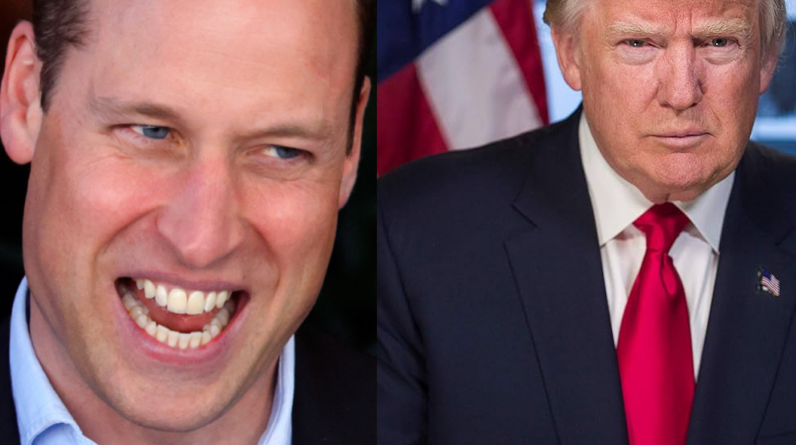
In a remarkable turn of events, PRINCE WILLIAM BREAKS HIS SILENCE ON LIVE TELEVISION: CALLS TRUMP “A VICIOUS OLD BASTARD DRAINING AMERICA’S SOUL” AFTER THE BORN IN AMERICA ACT. This bold public statement not only reiterates the royal’s principles but also serves as a powerful critique against the backdrop of intense political strife. In what seemed like a spontaneous but intentionally raw moment, he challenged the status quo regarding issues that matter to many citizens, igniting global conversations and reactions.
The Context of Prince William’s Statement
To understand the significance of Prince William’s candid remarks, one must first grasp the political climate surrounding the rollout of the Born In America Act. This legislation, pushed forward by Donald Trump, has stirred a deep ethical debate in America and beyond. Prince William’s decision to speak out was not merely a personal reflection but a response to an atmosphere filled with rising tensions concerning civil rights and identity.
Political Climate Leading to His Remark
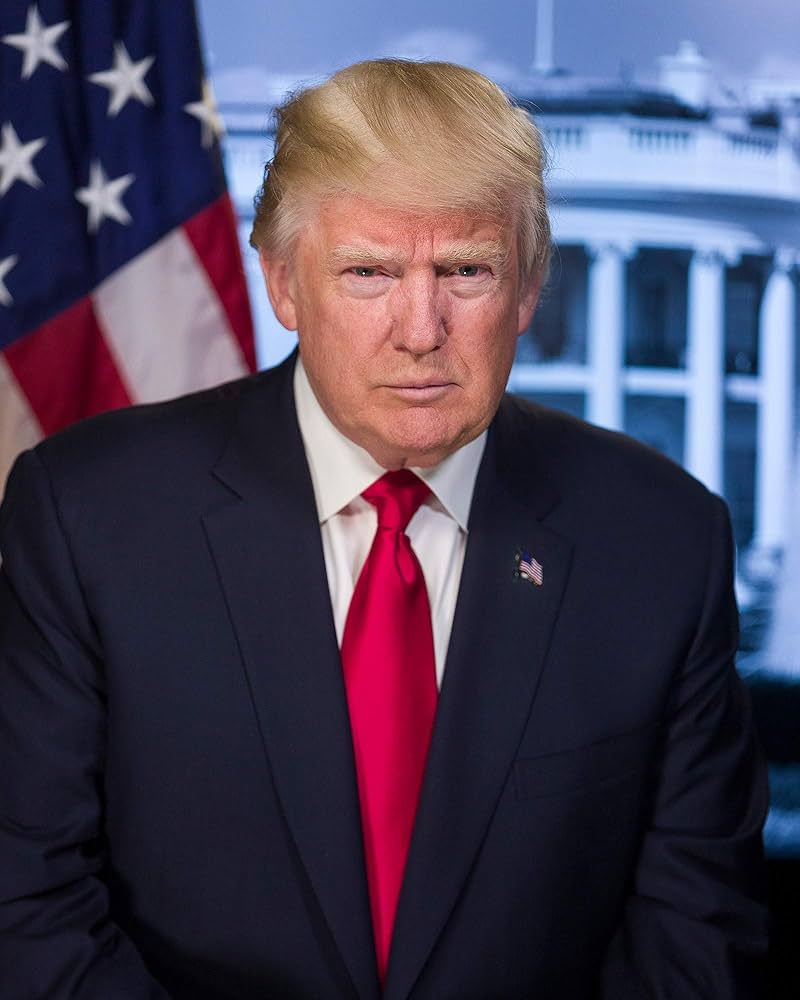
William’s statement arose during a tumultuous period characterized by rampant polarization in American politics. The Born In America Act claimed to redefine what it means to be an American citizen, tapping into the very heart of identity and belonging.
This act underlines Trump’s administration’s push to differentiate between citizens based on the lineage of their ancestors, effectively creating two classes of Americans. Such legislative moves were alarming to many, igniting fears that the very fabric of American values—which include equality, justice, and inclusivity—were at risk.
In this charged atmosphere, Prince William’s intervention felt both timely and critical. His defiance against the dehumanizing rhetoric commonly associated with Trump’s politics aligned with a broader social pushback against divisive narratives.
The Royal Family’s Traditionally Cautious Stance
Historically, members of the British royal family have maintained a careful distance from direct political commentary. This norm stems largely from the need to preserve impartiality and avoid alienating any factions among their diverse subjects. However, the unexpected nature of William’s remarks shattered this norm, engaging audiences in a debate about civic responsibility, monarchy, and advocacy.
Many citizens viewed William’s pronounced measures as rather refreshing; a royal family member breaking traditional barriers to take a stand against what many perceive as moral decay within a powerful nation demonstrated a bold recalibration of expectations.
Public Response: A Global Phenomenon
The immediate aftermath of William’s televised moment was nothing short of electric. Social media erupted with discussions, reactions ranged from elation to disbelief. The hashtag
PrinceWilliamUnfiltered began to trend, with users expressing admiration for his bravery in the face of systematic injustices.
Diverse communities worldwide, including British citizens, expatriate groups, and civil rights advocates, expressed their opinions regarding the speech. For many, it felt like a long-overdue examination of political narratives that have thrived unchecked for far too long.
The social media frenzy reflected a collective yearning for a more humane approach to governance, where leaders are held accountable not just for policy but also for the overarching values propagated by their rhetoric.
The Content of William’s Address
Prince William’s speech was notable for its distinction from traditional royal protocol. It was unscripted, direct, and, above all, filled with passion that resonated with many viewers. He cut through the noise surrounding controversial political actions to address the core concerns weighing heavy on the national consciousness.
A Call to Challenge Hate
While speaking candidly, William unleashed a fierce criticism of Trump’s character, referring to him as “a vicious old bastard.” This phrasing might stir controversy, but it was reaffirmative of William’s resolve to speak against hate engulfing the political landscape.
By employing such strong language, he aimed to bridge the gap between the royal family and the real-life concerns faced by ordinary citizens. He signaled to the public that it was time to challenge hate with courageous honesty—a refreshing stance that many found empowering.
William elaborated on how detrimental political narratives could turn millions of Americans into second-class citizens overnight. These unsettling words struck a chord, illustrating the stark consequences that legislative moves can have on lives lived daily, particularly for those already marginalized.
Drawing Attention to America’s Foundation
William highlighted that Trump’s actions represent a betrayal of foundational American values enshrined in the Constitution, emphasizing that the rule of law should apply universally. This assertion distanced the monarch from merely being an observer of global affairs, transitioning to take an active role in advocating for a more equitable society.
By championing principles of honor and justice, William reaffirmed the significance of these values and how they ought to resonate in modern governance. He brought to light the notion that using laws as instruments to manipulate and divide a nation fundamentally contradicts the very principle of equality.
America Under Siege
The most profound takeaway from William’s address arguably lay in his statement, “This is America being suffocated.” The phrase succinctly encapsulated a sentiment felt by many—not only in the U.S. but globally—about the alarming trajectory of discourse and policy emanating from the American political scene.
His declaration sought to unite individuals from various backgrounds in recognizing a shared crisis that was not just political but humanity-oriented. By framing the issue in broader terms rather than reducing it to party politics, William managed to highlight an intrinsic connection felt by global citizens.
The Aftermath of the Broadcast
What transpired in the wake of Prince William’s broadcast was nothing less than a phenomenon. As soon as the transmission ended, discussions erupted across various platforms, igniting nationwide—if not global—dialogues about civil rights, representation, and the power dynamics that govern societies.
The Rise of Activism
The unabashed critique articulated by William served as a catalyst for renewed activism, with many citizens feeling empowered to raise their voices in solidarity. Organizations supporting civil rights, immigrant communities, and political accountability found themselves reinvigorated by this unexpected royal endorsement.
Countless grassroots campaigns bubbled to the surface, delving into societal narratives that challenge systemic issues long seen as entrenched. The timing of the sentiment resonated strongly with those preparing for the forthcoming elections, driving discussions towards more inclusive policy-making dialogue and practical reforms.
The Evolution of Royal Engagement
William’s assertive remarks signify a potential shift in how royal figures engage with pressing social issues in the future. No longer bound by traditional constraints, he demonstrated a willingness to connect deeply with the struggles faced by ordinary people.
The ripple effects of this shift could lead to future royal engagements evolving into more participatory dialogues, engaging communities in meaningful discourse that asks for real accountability from governing entities.
Global Solidarity
The implications of Prince William’s address extended beyond U.S. borders. Leaders and activists worldwide resonated with his assertion that such problems are not limited to America. The challenges posed by the cyclical nature of hate, fear-mongering, and division are global challenges that require collective recognition and activism.
Countries previously distant from American concerns began to reflect on their political landscapes, challenging narratives that alienate and harm marginalized populations. This newfound solidarity brought forth a call to action that transcended geographic boundaries, reminding us of our shared humanity.
| Aspect | Prince William’s Remarks | Trump’s Response | Impact |
|---|---|---|---|
| Tone | Fierce and direct | Dismissive | Raised public awareness |
| Focus | Human rights and equality | Nationalist rhetoric | Sparked global conversations |
| Legacy | Break from royal protocol | Reinforcement of division | Potential catalyst for activism |
The Implications for Future Governance
Prince William’s bold critique of current U.S. governance reverberates through both political and social realms. The complexities surrounding his remarks intersect deeply with fundamental questions about democracy, fairness, and human rights.
Redefining Political Dialogues
In a world increasingly resistant to divisive narratives, William’s commentary encourages a reclamation of dialogues around identity politics and citizenship. The implications stretch far beyond mere rhetoric; they inspire a fundamental rethinking of the principles that guide national policies.
By calling out actions that diminish the rights of citizens, William reignited discussions around the importance of inclusive governance. Moving forward, communities might challenge policymakers to enact legislation that protects all individuals irrespective of their background.
Global Reactions and Lessons for Politicians
Political leaders around the world would do well to heed the implications of William’s remarks. As citizen awareness expands, the push for transparency and accountability in governance will echo louder, and politicians who ignore such sentiments may find themselves increasingly disconnected from those they represent.
The potential for alliances and coalitions forming around a shared vision of equality will, arguably, reshape future political landscapes. Legislation that upholds civil rights should become a non-negotiable expectation rather than a partisan battleground.
Shaping Royal Engagement
The royal family’s newfound willingness to engage in such discussions alters how future generations may perceive monarchy. Rather than being viewed as an obsolete institution, it can emerge as a relevant force for good in advocating for universal human rights.
This evolution can deconstruct the walls that often separate royals from their public, fostering stronger community ties built on shared values. As the world looks on in fascination, it opens a compelling dialogue about how noble responsibilities can transcend borders.
Conclusion
The heart of Prince William’s candid address during live television signifies a pivotal moment in which not only individual courage but also the willingness to confront political injustices resonates on a global scale. By lambasting the divisive politics of Trump’s administration, he ignited conversations about human rights, equality, and the responsibilities of those in power. His words acted as both a clarion call to action for citizens worldwide and a challenge to traditional monarchy confines. As society reflects on the implications of this unprecedented moment, it remains clear that voices committed to safeguarding dignity and humanity can spark movements that resonate far beyond borders.