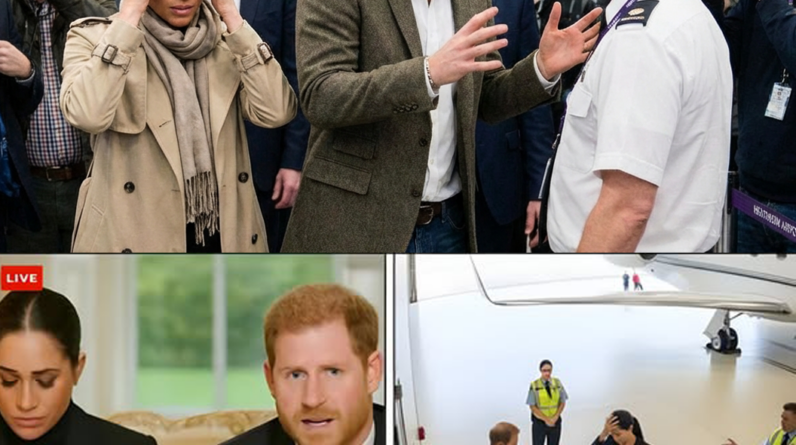
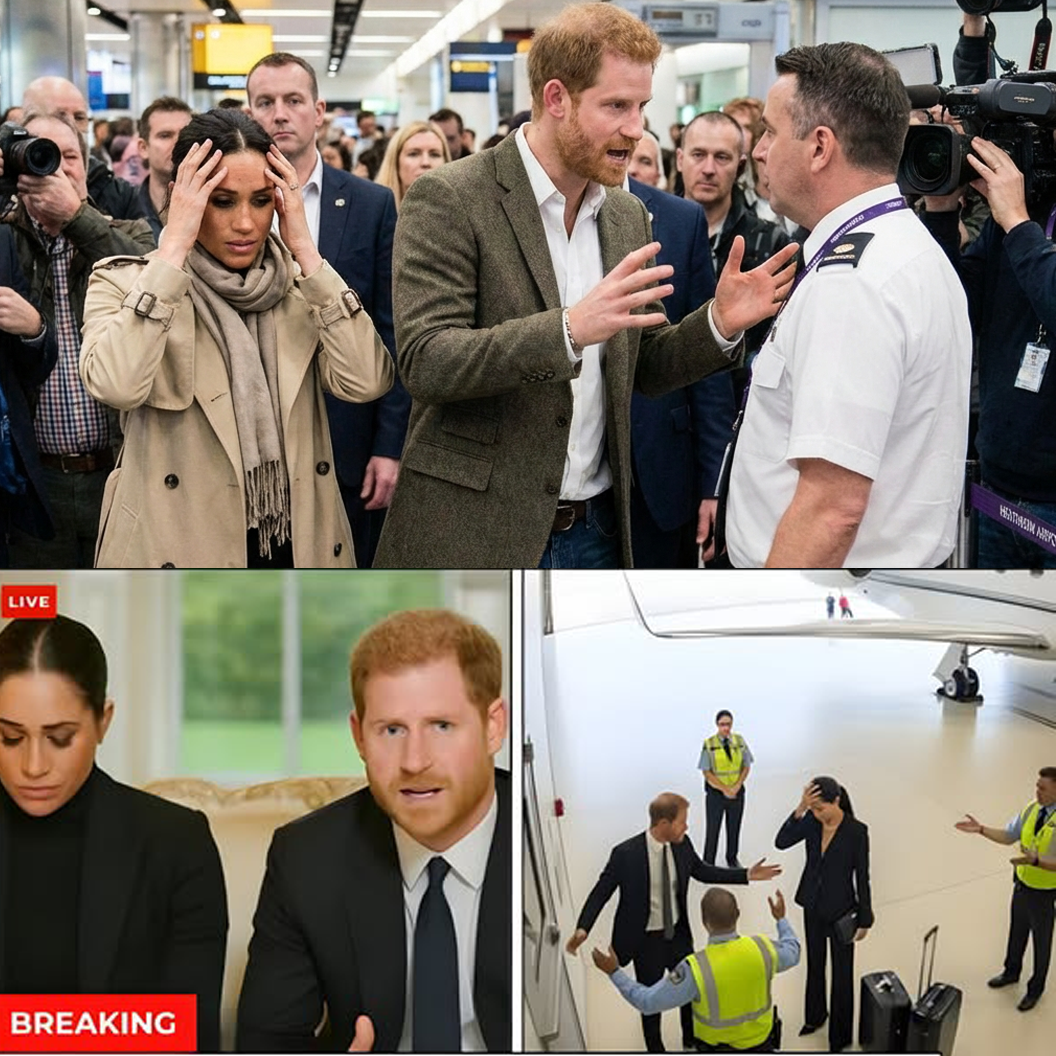
The news that Prince Harry and Meghan Markle are reportedly furious after New York City officials denied their request to use a private jet for an upcoming high-profile awards show has ignited a wave of debates about privilege, perception, and changing societal expectations. Once accustomed to the privileges of royalty and Hollywood glamour, the couple now appears to face the harsh realities of modern public opinion, where influence is no longer solely about status but also about respect and responsibility. Their demand for a private jet, once a symbol of privilege, was rejected, revealing deeper tensions between their past lifestyles and the evolving landscape of societal values.
This incident reflects a broader narrative about the shifting notions of privilege and the importance of humility amidst celebrity culture. The restrictions placed upon them are not merely logistical—they symbolize a societal pushback against excess and entitlement. This article explores the recent jet denial incident within the larger context of Harry and Meghan’s complex relationship with power, perception, and societal expectations. We delve into their aspirations for relevance, how their past behaviors have shaped public perception, and what this refusal tells us about the changing landscape of influence and respect in modern society.
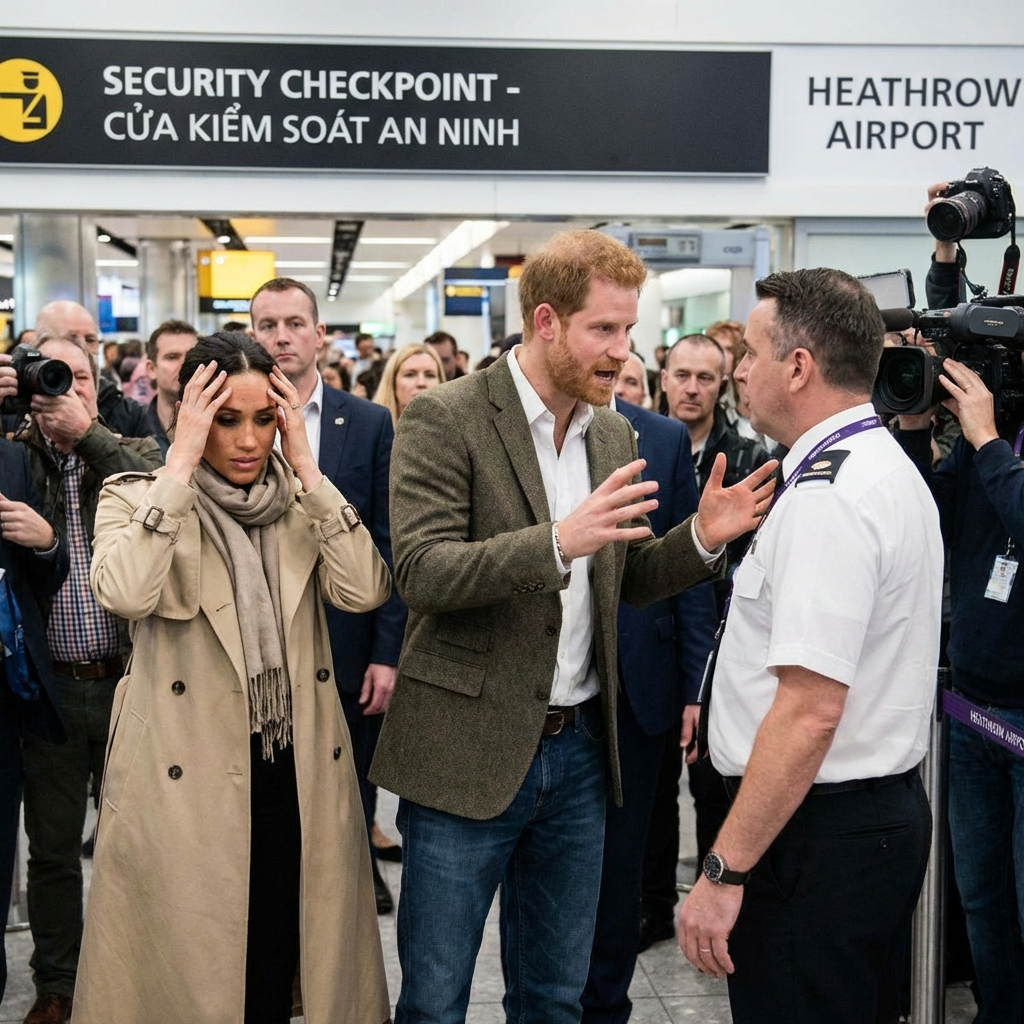
The Incident: The Denial of Privilege in a Changing World
The recent episode involving Harry and Meghan’s request for a private jet to attend a prestigious awards show in New York City is more than just a logistical hiccup; it’s a crucial indicator of the shifting societal standards that even the most prominent figures must now navigate. Historically, such requests for luxury weren’t unusual among global elites and celebrities, but the current cultural climate demands a different approach—one that balances influence with social responsibility.
Before the denial, Harry and Meghan had planned their trip meticulously, expecting the usual deference afforded to their status. The couple, deeply rooted in the understanding of privilege, likely assumed their request for a funded private jet would be granted as a matter of course. However, the refusal by NYC officials signaled a departure from old norms, symbolizing a societal movement toward accountability and sustainability. This rejection was not merely about transportation; it was a stark message that privilege does not entitle one to unchecked luxury in today’s world.
The refusal to accommodate their private jet request jolted the couple’s perception of influence. Once seen as royal and celebrity icons whose every demand was virtually a given, the couple now faced an obstacle that questioned their entitlement. Disney princess dreams of glamour amidst a society increasingly conscious of environmental impact and social justice issues clash with their traditional expectations of privilege. This incident, therefore, exemplifies a broader cultural shift—one where public figures are held accountable for their choices, and privilege is increasingly scrutinized through the lens of ethics and respect. The couple’s frustration underscores how societal expectations are evolving, and their response to rejection reveals much about their struggle to stay relevant and respected.
The Cultural Shift Towards Privilege and Responsibility
The denial of their private jet underscores a societal pivot toward prioritizing environmental sustainability and social equity. Recently, public outrage over luxury consumption by the wealthy has intensified, particularly with global climate concerns and the desire for more ethical lifestyles. In this context, the couple’s demand for a private jet—long a symbol of privilege—became a reflection of a broader societal tension between privilege and responsibility.
For Harry and Meghan, accustomed to a life of luxury and unrestricted access, this incident likely felt like a personal affront. However, it also served as a reminder of the new societal norms. The public and officials alike are increasingly questioning whether privilege entitles one to bypass the collective responsibility we share toward environmental conservation. Their frustration reveals a disconnect—a feeling of being unfairly targeted versus understanding the importance of aligning with contemporary values.
This shift resonates deeply within the celebrity and political worlds, where influence now carries the expectation of ethical engagement. The couple’s reaction to the denial may be rooted in their desire to maintain a sense of importance and relevance, even as society demands humility. Their internal conflict between their past life of privilege and the current societal landscape reflects a broader struggle for identity and influence in an age that values accountability. The broader implication is clear: in today’s climate, influence must be balanced with integrity—an expectation that Harry and Meghan are increasingly confronted with.
The Broader Context of Privilege, Power, and Public Perception
The rejection of Harry and Meghan’s private jet request is a microcosm of the changing dynamics between power and societal expectations. For years, their status as former royals and Hollywood icons provided them with a sense of invincibility—a belief that their stature allowed them to sidestep norms others must follow. However, the contemporary cultural landscape is shifting toward transparency and accountability, especially for figures who project influence on a global stage.
The couple’s history of pushing boundaries—whether in fashion, social activism, or lifestyle choices—has often been met with both admiration and critique. Their desire to be recognized as influential figures aligned with causes such as humanitarian work and mental health awareness. Still, their recent experiences reveal that influence alone does not secure privilege unconditionally; societal respect is increasingly earned through actions that reflect shared values.
Public perception is critical in this evolving environment. Harry and Meghan’s plea for a private jet, and their subsequent frustration upon its denial, hints at a deeper narrative—one where their previous status as the “royal exception” no longer guarantees deference. This tension illustrates how societal expectations have become more equitable, demanding a balance between influence and humility. As societal consciousness regarding environmental and social issues deepens, their reactions may serve as a litmus test for how prominent figures can navigate this new landscape without alienating public support.
Challenging Power Structures in the Age of Social Responsibility
The couple’s experience with the private jet denial also raises important questions about power structures within society. Historically, royal families and celebrity circles have operated with a degree of immunity—where influence granted them the ability to bypass ordinary rules. But times have changed. The rise of social media, transparency initiatives, and activism have eroded some of that immunity, demanding more equitable treatment and accountability.
Harry and Meghan’s attempt to demand privileged treatment, followed by their reaction to the rejection, exemplifies this power dynamic. Their frustration reveals an underlying struggle—clinging to old notions of influence while facing a society that no longer tolerates unchecked privilege. This tension is especially prominent in their efforts to rebrand themselves as advocates for social change, aiming to merge celebrity influence with ethical responsibility. Their experience illustrates how power, in the current era, must be wielded with conscious awareness of societal expectations and evolving norms.
This scenario acts as a reminder that societal power is no longer guaranteed by titles or fame alone; it depends on authenticity and respect. The couple’s reaction to the denial may ultimately influence their future interactions with public and institutional authorities, shaping their path forward in a culture that increasingly values humility alongside influence.
The Personal Impact on Harry and Meghan: Reassessing Relevance and Image
Amidst the broader societal implications, it’s crucial to understand the personal ramifications of this incident on Harry and Meghan’s self-perception and their strategic efforts to maintain relevance. Reportedly furious, the couple’s emotional response isn’t just about the jet; it’s a reflection of their ongoing struggle to strike a balance between independence, influence, and public perception.
Their desire for high-profile appearances and association with influential figures is driven by a need to stay relevant in a crowded cultural landscape. The denial might have been perceived as a blow to their ambitions—prompting them to reconsider how their image is crafted and perceived by the public. The couple’s reaction suggests they are acutely aware of the delicate dance between asserting influence and demonstrating humility.
For Harry and Meghan, this incident could become a turning point—prompting a reevaluation of their approach to public appearances and influence. Their brand, built on a narrative of humanitarianism and authenticity, risks being undermined if they’re perceived as entitled or dismissive of societal change. Navigating this new reality will require finesse—balancing their aspirations for relevance with the demands of a society that values integrity and respect above all.
Rebranding Through Frustration—A Double-Edged Sword?
The couple’s reaction to the jet denial might be a strategic misstep or an opportunity for rebranding. Publicly displaying anger could reinforce perceptions of entitlement but might also evoke sympathy if framed correctly. This incident puts their ability to adapt and resonate with modern values to the test.
In the aftermath, Harry and Meghan may need to craft a narrative that emphasizes humility and shared responsibility. A visible response to societal expectations—such as publicly acknowledging their understanding of the shift—could soften their image and reestablish trust. However, if their frustration is perceived as out of touch or elitist, it could deepen fissures in their public support base, complicating their efforts to position themselves as authentic advocates for change.
Ultimately, the incident underscores the importance of adaptive strategy in a landscape where reputation is increasingly fragile and influence is conditioned on societal values. Harry and Meghan’s response to the rejection will likely define their trajectory in the public eye moving forward.
Conclusion
The incident involving Prince Harry and Meghan Markle’s denied request for a private jet in New York highlights a significant shift in societal norms around privilege, influence, and accountability. What was once taken for granted—unfettered access and luxury—now faces scrutiny as society increasingly emphasizes environmental responsibility and respect for social equity. Their emotional reaction underscores the ongoing tension between their past life of privilege and the demands of a more conscientious world that demands humility and authenticity from even its most influential figures. As Harry and Meghan navigate this evolving landscape, their ability to adapt, demonstrate humility, and align with contemporary values will ultimately determine their relevance and legacy amidst the complex interplay of power, perception, and societal progress in the modern age.