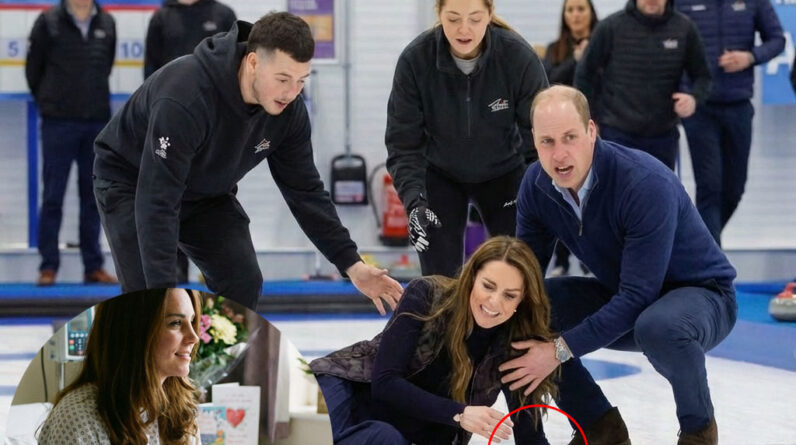
The worst thing has happened: Princess Catherine suddenly fell while playing curling. This unexpected, alarming event has raised widespread concern about her health and safety, prompting an outpouring of support, worry, and reflection across social media and traditional news outlets. The incident, which took place during a charity event designed to uplift community spirit, has swiftly become a focal point for discussions about the risks associated with even seemingly benign activities, especially when performed in public. As the details continue to unfold, understanding the circumstances, implications, and royal family’s response becomes all the more urgent for her fans and the general public alike.
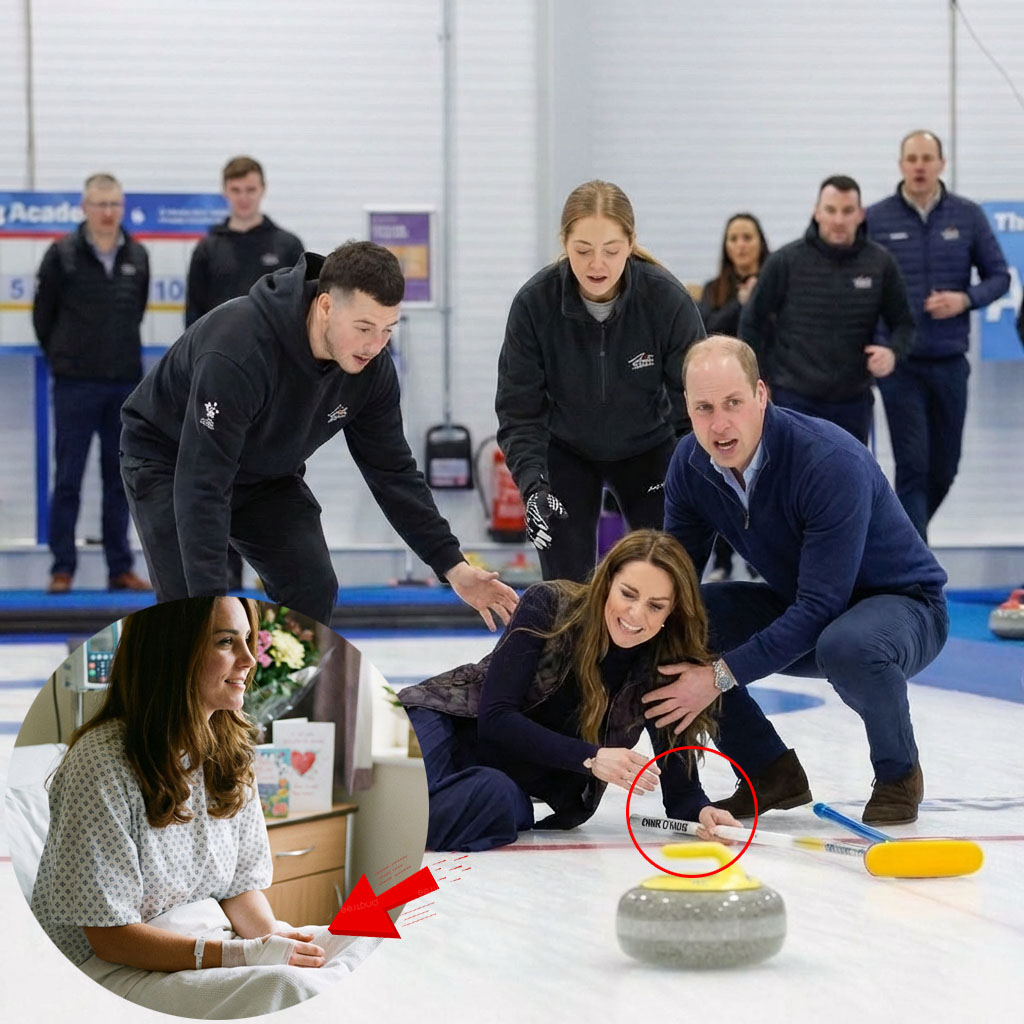
The worst thing has happened: Princess Catherine suddenly fell while playing curling
During what appeared to be a cheerful and lively charity curling match, the atmosphere shifted dramatically when Princess Catherine, the Duchess of Cambridge, experienced a sudden loss of balance. Fans watched in disbelief as she abruptly fell onto the ice, a moment frozen in time that instantly transformed a joyful event into a moment filled with concern. Spectators and fellow participants reported the scene as chaotic and heart-wrenching, with immediate reactions from those nearby.

The incident, which may seem minor at a glance, holds significant implications—not least because it highlights the inherent vulnerabilities even public figures face. Princess Catherine, known for her grace, resilience, and active lifestyle, was engaging with others in a spirited game meant to promote charity and foster community unity. The fall, however, has cast a shadow over the event and brought attention to safety protocols in sports and recreational activities, especially those involving prominent figures.
The public reaction has been swift, with social media platforms flooded with messages of concern, prayers, and hopes for her swift recovery. The royal family, usually reserved in their communications, issued a brief statement expressing gratitude for the concern and promising to share more details after assessments are completed. As health professionals evaluate her condition, the incident serves as a stark reminder that accidents can happen to anyone, regardless of stature, and underscores the importance of safety measures in every activity—no matter how safe it may superficially seem.

The fall was sudden and unexpected, taking everyone by surprise
As eyewitnesses recount, the moment Princess Catherine fell was unanticipated. She had been actively participating, her enthusiasm evident as she engaged with fellow players. The ice surface, although well-maintained, can be treacherous under certain conditions. The suddenness of her fall left little room for reaction, intensifying the shock among those present and online followers eager for updates.
This event emphasizes the unpredictable nature of accidents, especially during sporting activities that rely heavily on balance and coordination. It prompts a broader conversation about the safety of participants, public figures or not, and whether safety protocols are sufficiently rigorous to prevent injuries. For Princess Catherine, a member of the royal family admired worldwide, such an incident after a life of public service and physical activity is a stark reminder that injuries happen unexpectedly. The incident also challenges assumptions that prominent individuals are immune to such risks and further humanizes her in the eyes of her many admirers.
There is also an emotional dimension to the incident’s suddenness. Fans and supporters, who often see royal figures as paragons of strength and composure, now grapple with the reality that even they are vulnerable. The tragedy of the fall has prompted many to reflect on the importance of compassion, patience, and the need for comprehensive safety measures in all settings—be it sports, charity events, or casual activities. Meanwhile, the focus remains on her recovery, with hope and prayers being directed her way from around the globe.

The implications of the fall for royal event safety protocols
The incident raises critical questions about safety protocols at high-profile engagements, including those involving physical activities like sports. Historically, royal family members have participated in a wide array of events, some of which involve physical exertion or risk. However, this incident may serve as a catalyst for reviewing and reinforcing safety measures during such activities, especially in public or semi-public settings.
An in-depth analysis suggests that while organizers strive to provide secure environments, the presence of unpredictable variables like ice conditions or unforeseen movements can still pose dangers. The fall of Princess Catherine underscores the necessity for thorough risk assessments, emergency preparedness, and targeted safety protocols tailored to each activity’s specific hazards. It also opens up a dialogue about whether prior safety reviews were sufficient and if additional precautions need to be implemented—such as better protective gear, clearer rules, or more vigilant supervision—during future royal engagements.
Furthermore, this incident may influence policies across similar charitable or public events, prompting organizers to incorporate lessons learned to prevent future accidents. The royal family’s response will be closely watched to gauge whether they endorse stricter safety protocols or continue with existing practices. Ultimately, safety in sports and public activities should be paramount, and the fall of Princess Catherine serves as a poignant reminder that even the most careful plans can sometimes falter, emphasizing the importance of ongoing vigilance and risk management.
The royal family’s response and the public’s reaction to the incident
Following the fall, the royal family responded with a remarkable display of concern and discretion. A brief statement emphasized gratitude for the outpouring of support and assured the public that Princess Catherine was receiving comprehensive medical evaluations. The family’s priority was her health and well-being, and they requested privacy as she recovered.
The muted yet compassionate response reflects the family’s understanding of the delicate nature of the situation. It also underscores the importance of care and privacy during times of unforeseen injury, especially during such a high-profile incident. The royal family’s approach to handling the aftermath—balancing transparency with respect for Princess Catherine’s privacy—highlights their experience in managing sensitive situations with grace.
Meanwhile, public reaction has been overwhelmingly supportive. Social media has become a space for heartfelt messages of hope, prayers, and encouragement for her swift recovery. Many fans have expressed their admiration for her resilience and strength, even in moments of vulnerability. The incident has reinforced the deep connection between the royal family and the public, proving that shared compassion can transcend social and cultural boundaries in times of crisis. As more updates become available, the community’s collective hope remains for her speedy recovery and a return to her influential duties, with many emphasizing that her health and safety should remain paramount.
Conclusion
The tragic and shocking incident involving Princess Catherine falling during a charity curling match has captured global attention, highlighting her vulnerability and the importance of safety in all activities involving public figures. It has prompted discussions around safety protocols, emergency preparedness, and the human side of royal life, reminding us that even admired individuals face unpredictable risks. The royal family’s composed response and the universal outpouring of support showcase the enduring public compassion for their beloved Duchess. As she recovers, hope and prayers continue to be directed her way, emphasizing that her health and well-being are of utmost importance. This incident serves as a poignant reminder that life’s uncertainties can affect anyone, and preparedness, compassion, and safety remain essential elements in safeguarding all involved in social and sporting events.