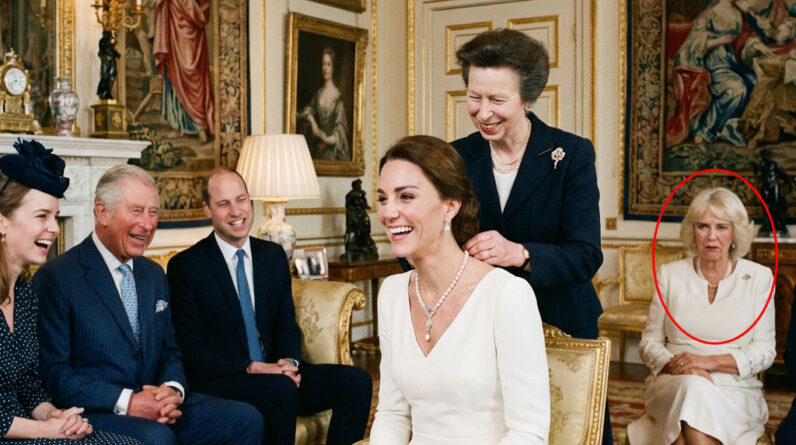
Princess Anne stood her ground against Queen Camilla. Despite Camilla’s insistence, Anne gifted a significant commemorative brooch to the Princess of Wales instead. This act not only underscores Anne’s unwavering stance within the royal hierarchy but also highlights the deep-rooted tensions, alliances, and traditional values that still shape the modern British monarchy.
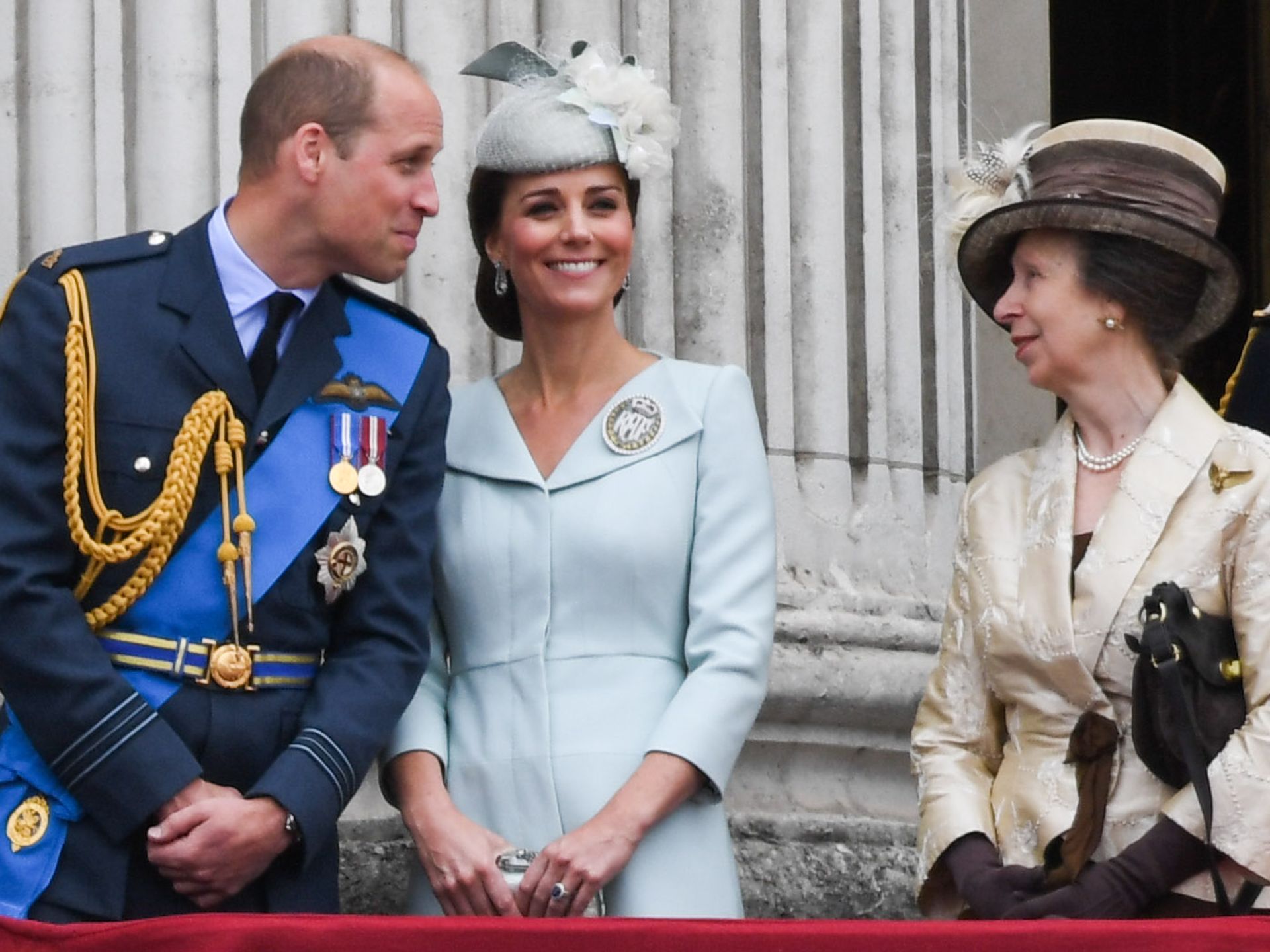
Princess Anne stood her ground against Queen Camilla — despite Camilla’s insistence
The recent transfer of a cherished royal brooch from Princess Anne to Catherine, the Princess of Wales, has sparked widespread media attention. At the heart of this controversy lies an unspoken power struggle, rooted in family dynamics, tradition, and personal ambitions. Princess Anne’s decision to bestow this historic piece upon Catherine—despite Queen Camilla’s desire to retain it—reflects her steadfast commitment to her principles and her role within the royal family.
Princess Anne, known for her unwavering dedication to duty and her reputation for straightforwardness, has long been regarded as a stabilizing force in the royal household. Her decision to stand her ground amidst internal family pressures demonstrates her resilience and her deep respect for royal traditions. Yet, this act also subtly signals her support for a newer generation of royals, especially Catherine, who has quickly become a pivotal figure within the modern monarchy.
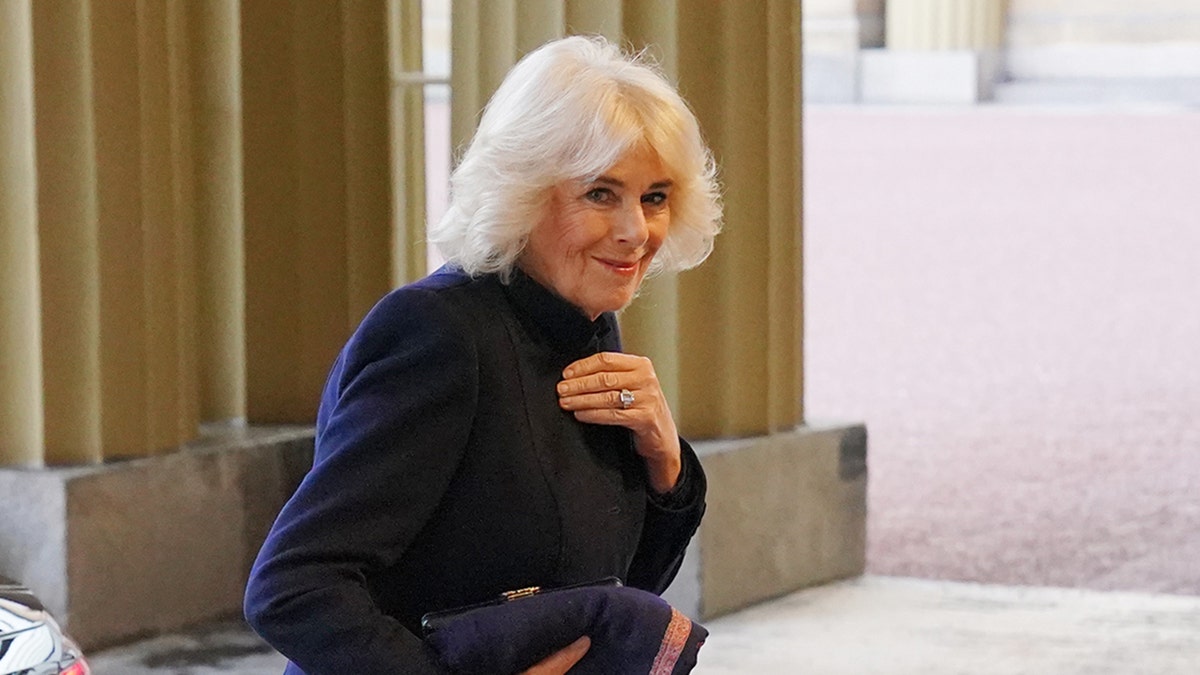
The tensions exemplified by this brooch transfer expose underlying struggles over heritage, influence, and the future direction of the royal family. It illuminates how age-old traditions sometimes clash with personal loyalty and contemporary perspectives. In this complex web of relationships and values, Princess Anne’s role as a protector of history and tradition becomes even more prominent. As a seasoned member of the royal family, her stance signifies her belief in the importance of maintaining bonds rooted in history, even when faced with modern pressures.
The media’s portrayal of this event further amplifies the undercurrents of rivalry and alliance shaping the monarchy today. Royal commentators speculate about what this gesture reveals regarding Princess Anne’s perception of her role vis-à-vis Queen Camilla and the broader royal hierarchy. This incident isn’t just about a piece of jewelry; it’s a reflection of ongoing negotiations for influence and respect within the royal family—a delicate balancing act where history and modernity continually interact.
Furthermore, this episode of internal discord emphasizes Princess Anne’s unique standing in the family. Her decision to uphold her principles in face of Camilla’s insistence resonates with her public image of integrity and personal loyalty. It highlights how, even in a family as scrutinized as the British monarchy, individual convictions can still find their voice amidst tradition and expectation. This stance may also serve as a subtle message to the younger royals that respect for history must be balanced with the evolving realities of royal life.
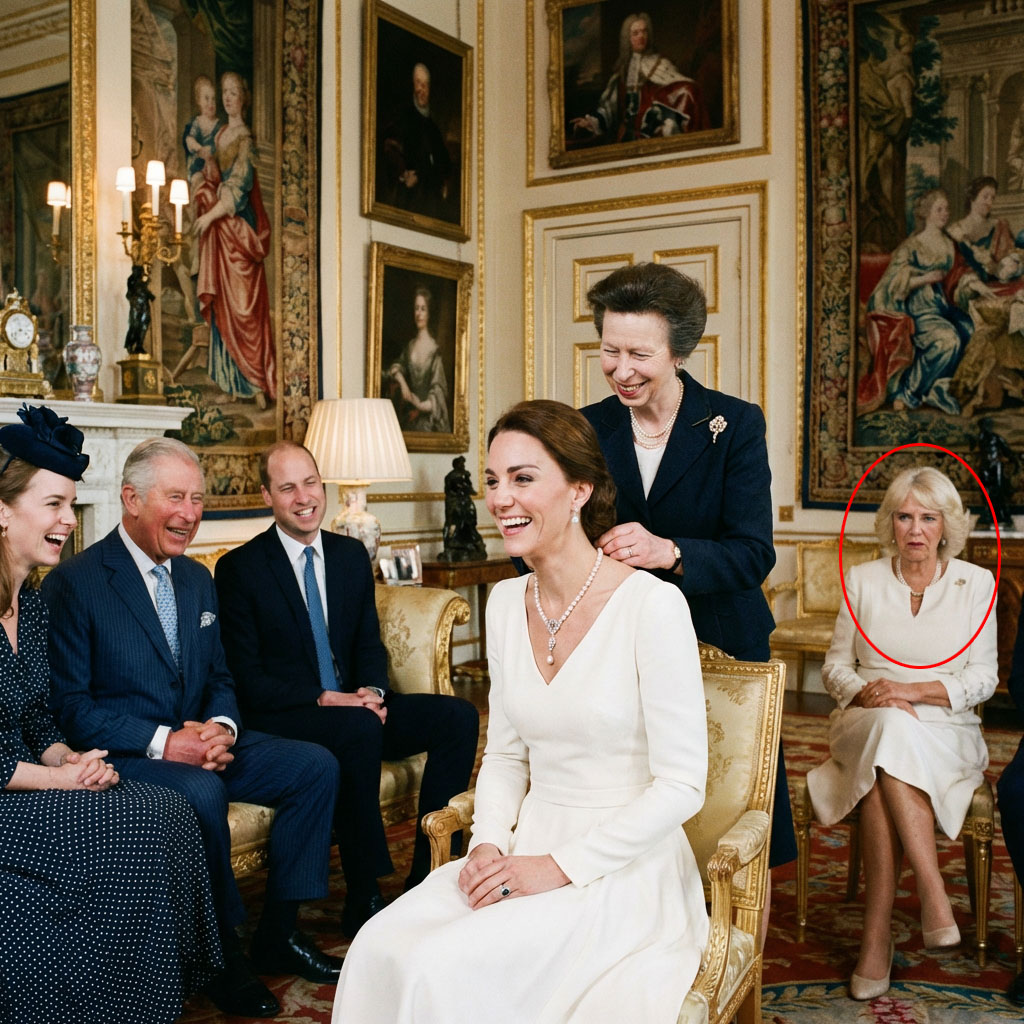
In essence, this situation exemplifies the enduring complexities of royal relationships—where personal preferences, familial loyalty, and institutional duties intersect. Princess Anne’s unwavering position underscores her role as a guardian of the monarchy’s Legacy, rooted in tradition but capable of adapting when necessary. Her refusal to be swayed by Camilla’s insistence reflects a nuanced understanding of her place within this intricate family dynamic, one where maintaining integrity and respect for history remain paramount.
The broader implication of a princess standing her ground in such a historically charged environment elevates this incident from a simple gift exchange to a symbol of the ongoing evolution and resilience of the royal institution. It underscores that even within the rarified world of the monarchy, personal convictions can still shape key moments that influence the future narrative of the royal family.
Anne gifted a significant commemorative brooch to the Princess of Wales instead
Following her steadfast stance against Queen Camilla’s wishes, Princess Anne chose to channel her support and respect into a gesture of profound symbolism. She gifted a historic commemorative brooch to Catherine, the Princess of Wales, emphasizing unity, trust, and the importance of nurturing new bonds within the royal family. This act was not merely about jewelry; it was a deliberate, meaningful statement about family dynamics, tradition, and the future of the monarchy.
The significance of this brooch cannot be overstated. As a commemorative piece steeped in royal history, it represents milestones, continuity, and shared lineage within the monarchy. Its traditional design often reflects the values and heritage that have sustained the royal family across generations. By passing this treasured item to Catherine, Princess Anne not only honors history but also symbolizes her validation of Catherine’s role, suggesting an intentional alignment with the modern face of the monarchy.
This decision to gift the brooch is a masterstroke of symbolism and royal diplomacy. It reflects Princess Anne’s recognition of Catherine as a key figure in the future of the monarchy, affirming her place in the lineage of royal tradition. Such a gesture fosters a sense of inclusion and support from within the family, which is vital in a royal household often characterized by complex, sometimes strained relationships. Through this act, Anne also subtly conveys that loyalty and tradition are paramount, even when internal disagreements arise.
The act of giving away this personalized and historically significant piece also speaks to Princess Anne’s understanding of the importance of unifying the family. It is a gesture that quietly asserts trust and acceptance—an endorsement of Catherine’s dedication to her royal duties and her commitment to charitable causes. In an institution often scrutinized for internal discord, such gestures serve as quiet reminders that gestures of respect and shared history can help heal wounds and build lasting bonds.
Furthermore, this act has broader implications for the royal narrative at large. It represents a deliberate move towards inclusivity and modernization, balancing tradition with contemporary values. Gift exchanges of this nature are powerful communications of intent; they forge alliances and signal intentions for future cooperation. For the British monarchy, where symbolism often outweighs the spoken word, the presentation of a commemorative brooch encapsulates a message of enduring support and shared heritage.
Of particular importance is Princess Anne’s decision to carry out this gift despite external pressures—namely, Queen Camilla’s hopes to retain the brooch within her collection. By doing so, Anne demonstrated her independence and her commitment to what she believed was right for the family. This act of defiance underscores her role as a protector of royal tradition and as someone willing to stand firm even when faced with familial conflicts. Her choice ultimately reinforces the boundless importance of respect for history, heritage, and the legacy entrusted to her.
In the grand scheme of the royal family’s evolving story, this act of gifting a significant commemorative brooch transcends personal sentiment. It becomes a symbol of hope, stability, and continuity—amidst change and contention. As the monarchy seeks to modernize, maintain relevance, and foster unity, such gestures serve as vital stepping stones towards healing old wounds and shaping a future where respect for tradition and adaptation go hand in hand.
The decision by Princess Anne to gift this historic piece signifies that, even amidst internal disagreements, the royal family can find common ground through acts of tradition and mutual respect. In a world obsessed with symbolism and legacy, this move is a reminder that the bonds of family and history are resilient—capable of bridging gaps and fostering enduring loyalty. It exemplifies the nuanced understanding needed to navigate the modern monarchy’s delicate landscape, prioritizing heritage without losing sight of the evolving roles of its members.
Conclusion
In a royal family often portrayed as embroiled in internal tension and tradition versus modernity debates, Princess Anne’s unwavering stance and her symbolic act of gift-giving to the Princess of Wales highlight her unique position as a guardian of royal heritage. Her decision to stand her ground against Queen Camilla’s insistence and to gift a meaningful commemorative brooch to Catherine not only underscores her integrity and loyalty but also signifies a broader movement toward unity, respect, and the preservation of history amid continual change. These gestures reflect the complex yet resilient nature of the monarchy, where tradition and contemporary evolution intertwine to shape a legacy delivered through acts of quiet strength, symbolism, and familial bonds. By maintaining her principles and supporting the next generation of royals, Princess Anne demonstrates that even amidst whispers of discord, the enduring power of loyalty, respect, and tradition remains vital to the future stability of the British royal family.