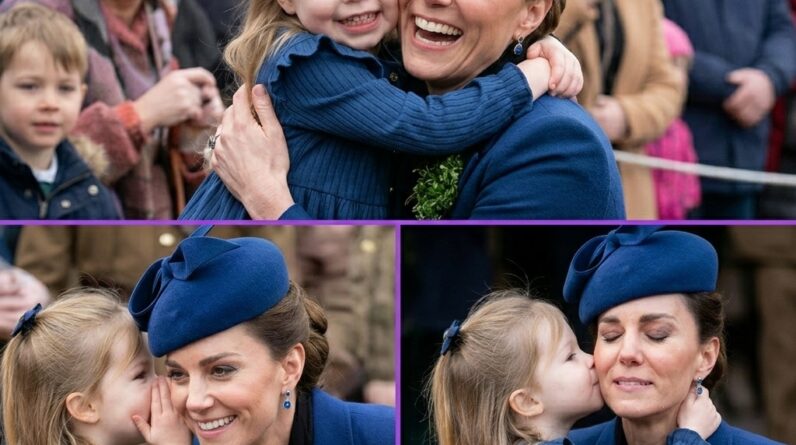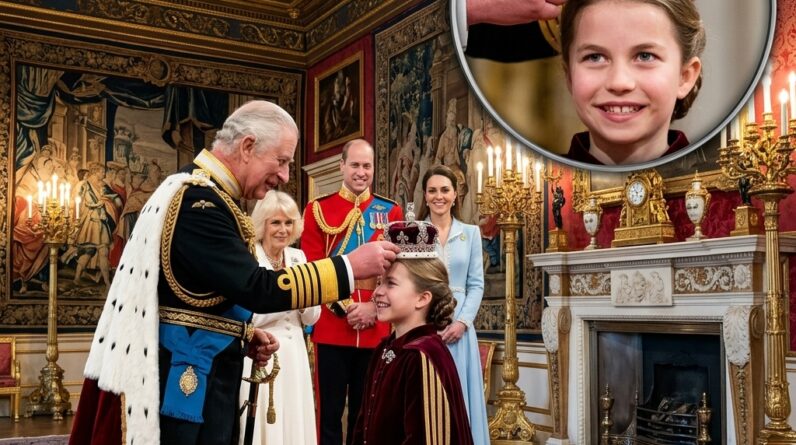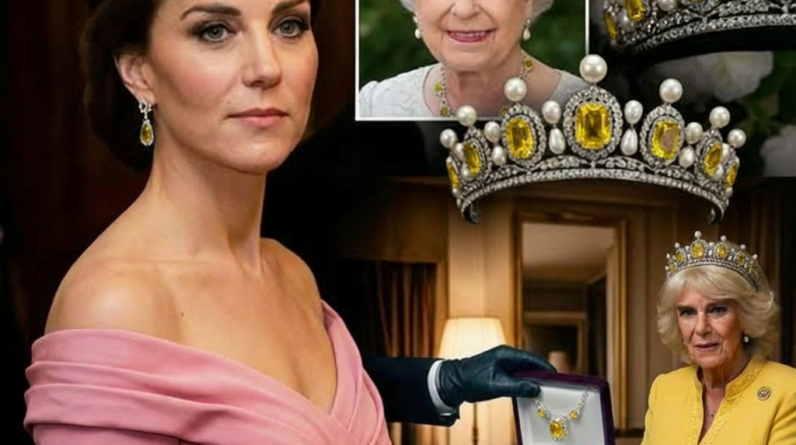
📰 The Silent Succession: How Queen Elizabeth’s Jewelry Signals a Shift in Soft Power
There was no fanfare, no press release, and no public declaration. Instead, the transition of power was signaled through the most discreet of royal mediums: the visual language of jewelry. When a historic brooch quietly reappeared on the lapel of the Princess of Wales, or a necklace synonymous with the late monarch was worn at a precise moment, the message was unmistakable.
Each appearance felt less like an accessory choice and more like a deliberate act of continuity.
According to palace insiders, this inheritance was not merely a distribution of assets; it was a strategic passing of the torch. These jewels have been entrusted to the one woman the late Queen reportedly believed would safeguard their symbolism as fiercely as their monetary value.
For Queen Elizabeth II, jewelry was never about opulence; it was about communication. Every diamond and pearl carried a memory—state dinners, wartime broadcasts, coronations, and private milestones. To bequeath these pieces was to bequeath a voice.
And it appears that voice has been directed squarely toward Catherine.
A Legacy Earned, Not Gifted
Over the last decade, Princess Catherine has cultivated a reputation that resonates profoundly with global audiences, particularly in the United States: she is steady, dignified, and emotionally intelligent. She did not demand the spotlight; she waited, she learned, and she observed.
It is well-documented that the late Queen held this specific quality in high regard.
Elizabeth II respected women who practiced the art of restraint—those who understood when to remain silent, when to hold the line, and when to let tradition speak for itself. in Catherine, she seemingly found a custodian who would carry royal symbols forward without reshaping them to fit modern egos or fleeting trends.
seen through this lens, the jewelry inheritance was not an act of favoritism, but of professional recognition.
The Human Cost of Hierarchy
However, no royal narrative is devoid of complexity. Beneath the glittering surface lies a heavy emotional undercurrent regarding Queen Camilla.
Reports indicate that the King’s wife was deeply affected by her late mother-in-law’s decision. The reaction was reportedly not just disappointment, but genuine hurt. after years of dutiful service beside King Charles, enduring public scrutiny and slowly winning public acceptance, Camilla may have viewed certain heirlooms as a necessary validation of her rank.
Instead, the late Queen’s choice seemingly established a quiet but firm boundary—a reminder that some legacies are not defined by current rank, but by future roles.
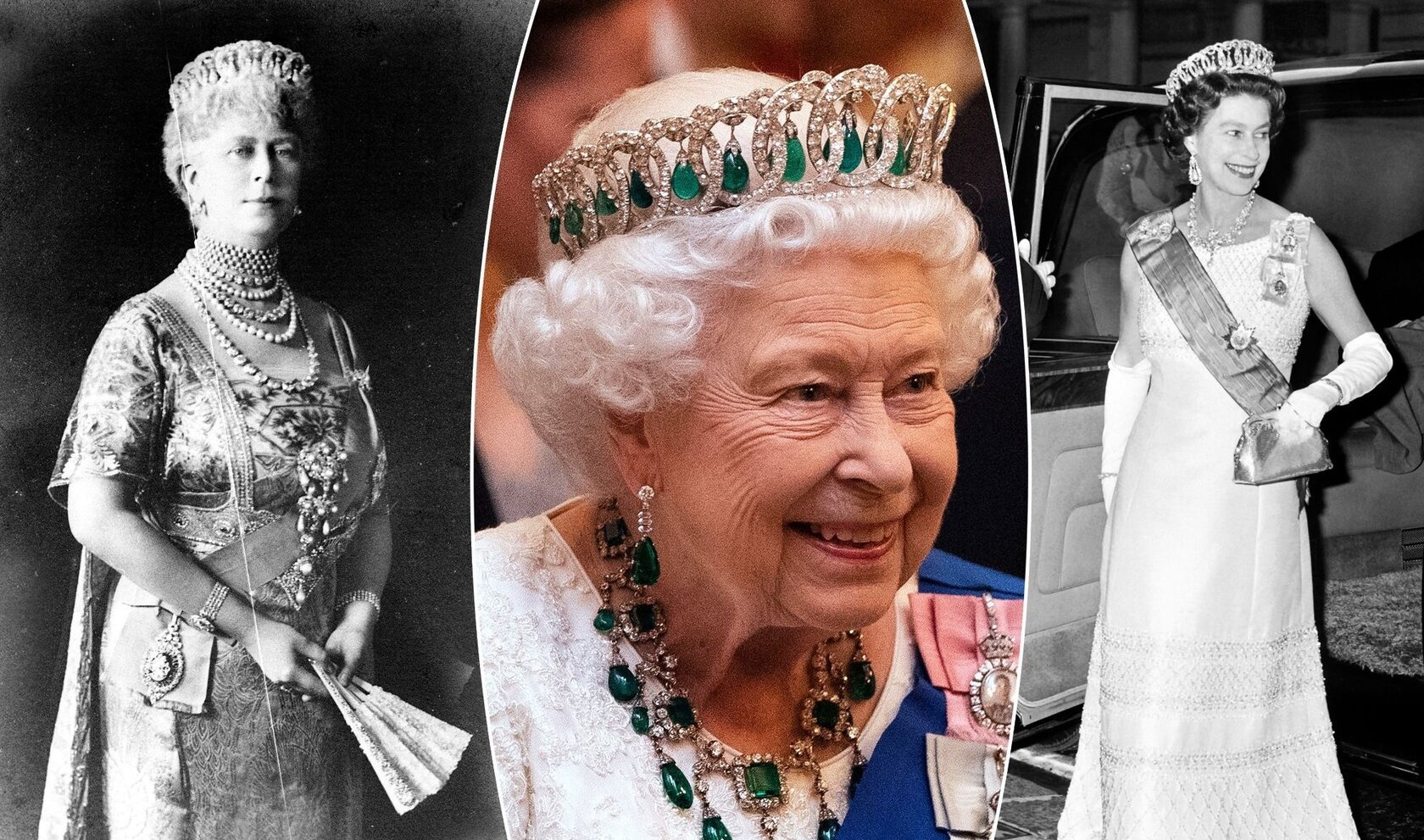
For American readers, this dynamic strikes a universal chord. Families everywhere understand that inheritance is rarely just about property; it is about validation. What is left behind often carries an emotional weight far heavier than its appraisal value. If the reports of Camilla’s distress are true, they reflect a deeply human vulnerability within a rigid institution.
Visual Diplomacy: Power Without the Crown
In the theater of royalty, jewels represent a “soft power” that does not need to raise its voice.
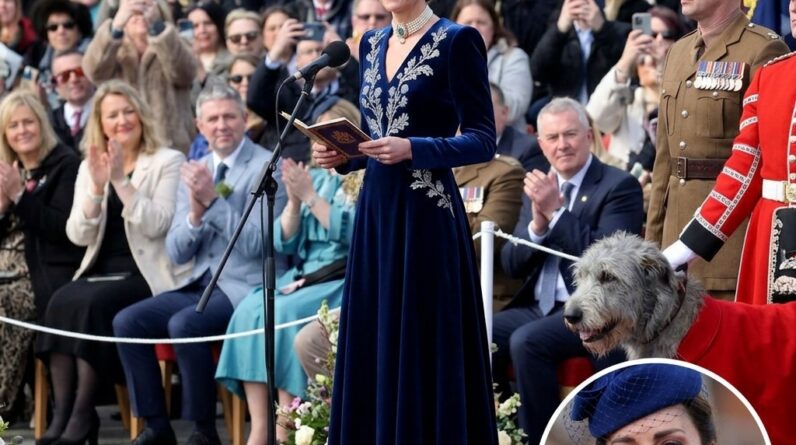
A brooch worn at a diplomatic summit can speak louder than a keynote address. A necklace chosen for a state visit signals trust, continuity, and quiet authority. Queen Elizabeth II was fluent in this non-verbal language.
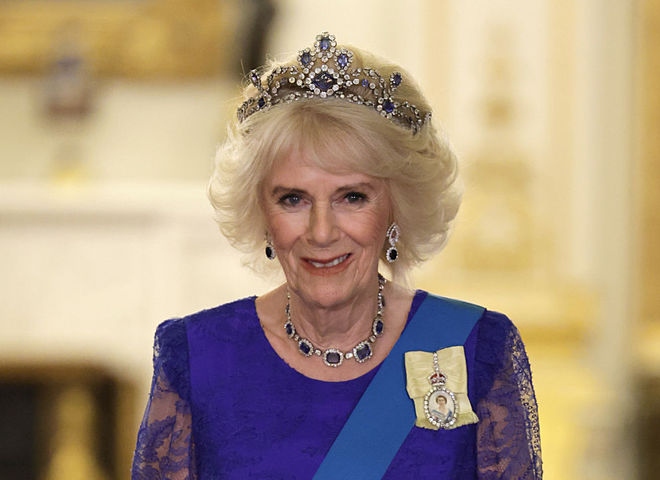
By entrusting key pieces to Catherine, the Queen was arguably shaping the narrative of the monarchy long after her own passing. This was not a move to diminish Camilla, but to clearly define Catherine’s role as the bridge—connecting the traditions of the past with the demands of the future.
To American eyes, Catherine increasingly embodies a figure similar to a highly effective First Lady: influential without being confrontational, omnipresent without being overbearing.

The Echo of the Late Queen
While the official inventory remains a private family matter, insiders suggest the inherited collection includes pieces of immense historical weight: brooches worn during pivotal national crises, pearls associated with mourning and resilience, and statement earrings reserved for future Queens, not Consorts.
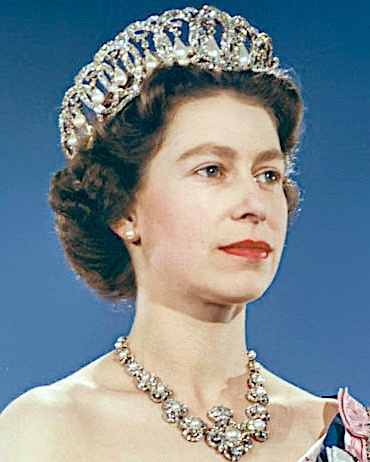
Each rumored piece fuels speculation, not because of its carat count, but because of its intent.
Queen Elizabeth II reigned for seventy years, outlasting political eras and cultural shifts because she believed in preparation. She prepared Charles for the throne, William for leadership, and now, it seems, she prepared Catherine for the symbolic guardianship of the monarchy’s emotional core.
The Verdict
The Palace remains characteristically silent, but perhaps that silence is the point.
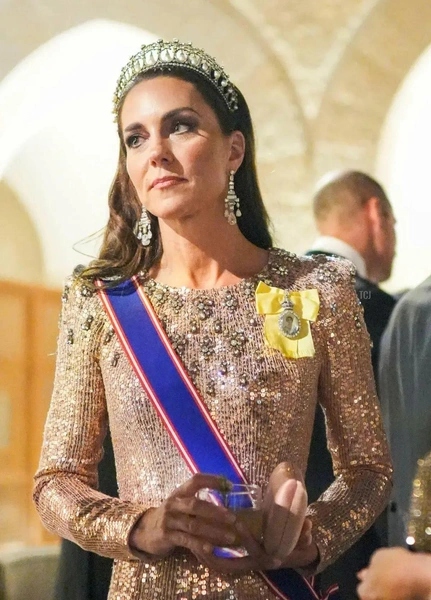
Every time Catherine steps out in these heirlooms, the message repeats itself—gently but immovably. The late Queen is still speaking. While the distribution of these assets may cause friction behind closed doors, one truth remains evident: Queen Elizabeth II chose continuity over comfort.
She chose legacy over appeasement.
In doing so, she ensured that her values would live on, shimmering quietly at the very heart of the monarchy. 👑✨