A Fractured Nation: From Street-Level Standoffs to the Costly Failure of State Inquiries

By [Teddy], Political Correspondent
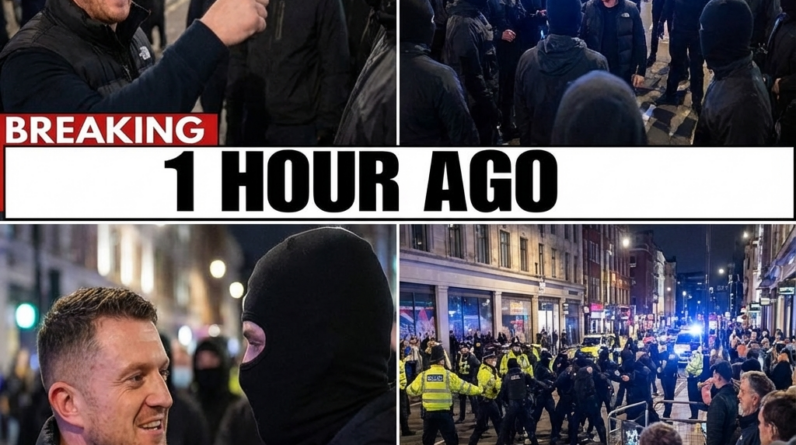
In a visceral display of Britain’s deepening social polarization, a dramatic confrontation involving activist Tommy Robinson has laid bare the volatility of the nation’s streets, just as a controversial state inquiry exposes the fractures within the corridors of power.
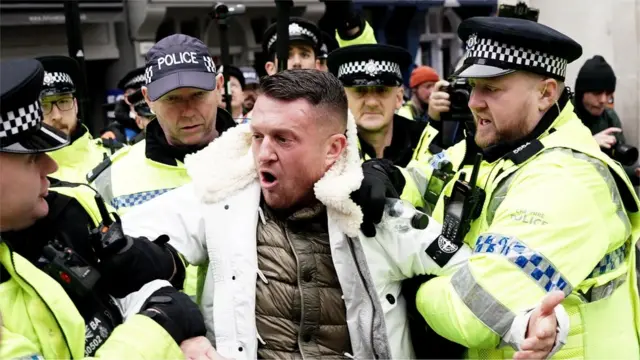
The incident, which unfolded yesterday, began as an apparent act of calculated intimidation. Approximately ten men, their identities obscured by balaclavas, encircled Robinson in what was seemingly designed to be a show of force. Yet, what was intended to be a moment of menace quickly descended into a surreal spectacle of defiance.

Rather than retreating, Robinson met the aggression with a psychological counter-offensive: ridicule. As the masked group attempted to close in, Robinson’s laughter cut through the tension. Video footage captures him taunting the group, issuing provocations such as “Hit me, God!” and effectively dismantling the atmosphere of fear.

Observers noted that the mob’s façade of toughness crumbled under the barrage of mockery. The power dynamic shifted almost instantly; the intimidators appeared awkward and impotent, their silence amplifying the farce. The viral nature of the clip serves as a case study in how composure can neutralize hostility, bolstering Robinson’s image among his supporters while highlighting the fragility of mob tactics.
The Cost of Accountability
However, while chaos plays out on the pavement, a different form of turmoil is engulfing Whitehall. The ongoing COVID-19 Inquiry, now costing the taxpayer an astronomical £175,000 per day, is facing mounting criticism for its scope and methodology.
The inquiry’s preliminary findings have levelled grave accusations against Boris Johnson’s administration, alleging that chaotic mismanagement contributed to 23,000 excess deaths during the pandemic’s first wave. Yet, these figures are viewed by skeptics as conveniently rounded and politically charged.
Critics argue that the investigation has drifted from a neutral probe into an exercise in political litigation. There is a growing consensus among detractors that the inquiry’s conclusions feel preordained—designed to vindicate draconian lockdown measures while laying disproportionate blame on Conservative leadership.
Crucially, the most uncomfortable questions remain largely unasked: Were the lockdowns truly effective? Was the catastrophic damage to the economy, mental health, and livelihoods justified? By focusing on the implementation of restrictions rather than their efficacy, the inquiry risks ignoring the possibility that the policy itself was the failure.
A Country Divided
These two disparate events—a brawl of wits on the street and a bureaucratic behemoth in Westminster—are emblematic of a singular crisis. Britain finds itself trapped between performative political battles and the harsh realities of a post-pandemic economy.
The public is increasingly disillusioned. On one hand, official narratives from state inquiries are viewed with suspicion, seen as conflating partisanship with public health. On the other, raw, unfiltered confrontations like Robinson’s ambush serve as a reminder that outside the halls of power, the social fabric is wearing thin.
As the nation navigates this era of narrative control and optics, one lesson from the street rings true: in the face of orchestrated chaos, whether from a masked mob or a failing bureaucracy, resilience and a refusal to be silenced remain the most potent weapons.