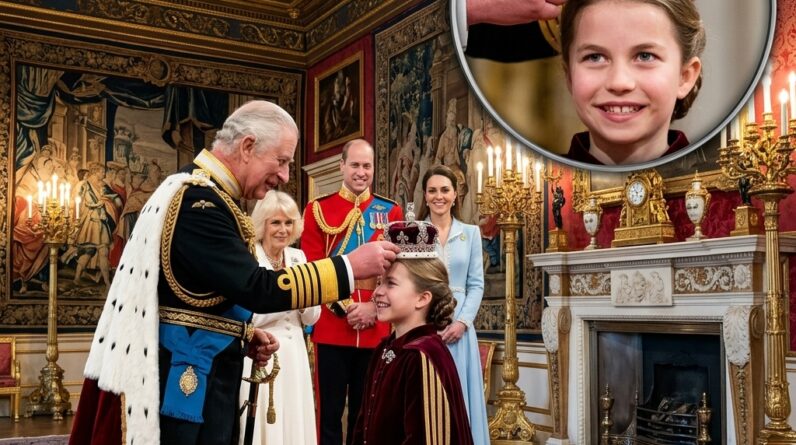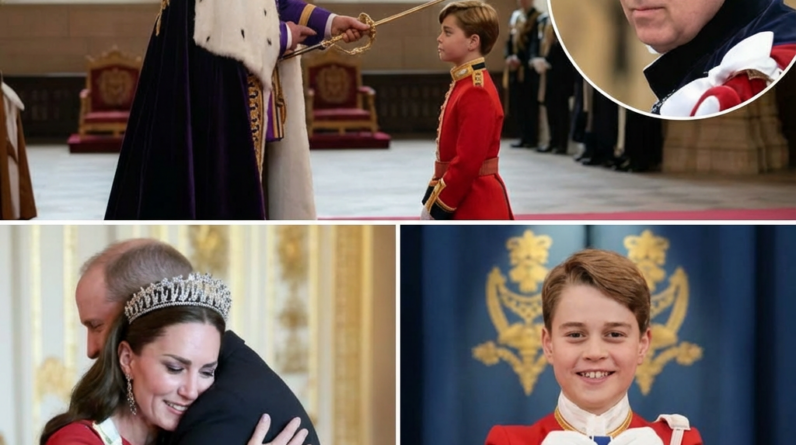
In the ever-watchful world of monarchy, where every gesture is scrutinized and every word analyzed, moments of raw emotion are rare. King Charles, long admired for his poise, composure, and measured approach to royal duty, recently faced a situation so profound and unexpected that it left him momentarily speechless. The incident, described by palace insiders as both heartbreaking and transformative, offers a rare glimpse into the human side of a monarch whose life is usually framed by protocol and public expectation.
The Weight of the Crown
Being a king entails more than ceremonial duties and public appearances. It is a role steeped in centuries of tradition, obligation, and responsibility. King Charles has carried the weight of this crown with dignity, but those closest to him acknowledge that even a seasoned monarch is not immune to moments of vulnerability. The recent event that shook him underscores the reality that behind the pageantry and protocol, there exists a man deeply affected by the personal and societal forces that shape his reign.
The Unexpected Event
Sources reveal that the heartbreaking moment occurred during a private audience at the palace. Details are scarce, intentionally kept from public view, yet the impact is unmistakable. King Charles was confronted with a situation that was both personal and deeply symbolic, blending elements of family, tradition, and national sentiment. The moment was described as one of those rare instances where the enormity of circumstance rendered the King unable to speak, forcing him instead to reflect and absorb the weight of what had transpired.
Observers note that such moments are defining. They reveal a side of monarchy that is often hidden: the human vulnerability behind the public persona. In this case, King Charles’s silence spoke volumes, signaling the depth of his emotional engagement and the profound gravity of the situation.
A Glimpse into the Monarch’s Humanity
Monarchs are often perceived as figures apart, their lives meticulously curated to maintain an image of stability and authority. Yet, it is in moments like these that the human side of royalty emerges. King Charles, confronted with an emotionally charged scenario, demonstrated that even in the highest echelons of power, empathy and personal connection remain central.
Palace aides described the King’s response as thoughtful, deliberate, and deeply empathetic. Though initially speechless, he later engaged with the individuals involved in a manner that was both compassionate and reassuring. The incident, though private, has been interpreted as emblematic of the King’s broader approach to leadership: one that balances duty with humanity, and authority with understanding.
Historical Context and Royal Responsibility
The monarchy has long navigated the delicate interplay between public duty and personal emotion. Past sovereigns have faced crises, scandals, and personal tragedies, yet the weight of public expectation often demanded that such moments remain internalized. King Charles’s recent experience continues this tradition while also highlighting the evolving nature of modern royalty.
Today’s monarchy must balance centuries-old protocol with contemporary expectations of transparency, empathy, and accessibility. The King’s reaction — silent in the moment, reflective thereafter — exemplifies this delicate balancing act. By processing his emotions privately yet responding thoughtfully, he reinforces the idea that leadership is not solely performative, but also deeply relational and principled.
The Role of Family and Advisors
Behind every monarch stands a network of advisors, confidantes, and family members who provide guidance, support, and counsel. During this heartbreaking incident, sources indicate that both family and close aides played a crucial role in helping King Charles navigate the situation. Their presence provided context, reassurance, and practical insight, allowing the King to process the event before taking any public or formal action.
This interplay highlights the essential role of the royal support system. While the public often witnesses only the ceremonial aspects of monarchy, it is these private networks that enable a sovereign to manage crises, make informed decisions, and maintain both personal well-being and institutional stability.
Public Perception and Media Silence
Interestingly, the palace has maintained an unusual level of discretion regarding this incident. There have been no official statements, photographs, or media briefings, suggesting a deliberate effort to protect both the King’s privacy and the dignity of those involved. This silence, in itself, has generated public intrigue and speculation, reinforcing the idea that not all royal moments are staged or intended for public consumption.
Experts suggest that this careful management of information reflects a strategic understanding of public perception. By controlling the narrative and prioritizing privacy, the monarchy maintains credibility while preserving the authenticity of the King’s response. The lack of media coverage also allows the moment to remain a genuine, human experience rather than a spectacle for consumption.
Emotional Impact on the King
Sources close to the palace describe King Charles as visibly moved during and after the incident. Colleagues report that he spent considerable time reflecting on the event, considering both its personal implications and its broader symbolic meaning. The emotional impact was profound, not as a fleeting reaction, but as a moment that has shaped his thinking and approach to leadership.
This level of introspection is consistent with King Charles’s reputation for thoughtful engagement with issues both domestic and global. Whether addressing climate change, charitable causes, or international diplomacy, the King has consistently demonstrated a capacity for reflection, empathy, and deliberate action. The recent incident, though private, underscores these qualities in a deeply personal context.
Lessons in Leadership
One of the key takeaways from this moment is the lesson it offers in leadership under pressure. Public authority often masks private vulnerability, yet effective leaders are those who navigate personal and emotional challenges while maintaining perspective, composure, and empathy. King Charles’s response exemplifies this principle.
By allowing himself a moment of silence, the King demonstrated that strength is not synonymous with immediate reaction. Reflection, processing, and deliberate engagement are equally vital components of leadership. His handling of the situation serves as a powerful reminder that emotional intelligence is as critical to effective governance as strategic decision-making or ceremonial presence.
The Broader Significance for the Monarchy
While the incident remains largely private, its significance extends beyond King Charles alone. The event serves as a touchstone for the monarchy as an institution, illustrating that even the highest office is subject to the complexities of human emotion. The manner in which the King navigated this moment — with discretion, empathy, and careful reflection — reinforces public trust in the monarchy’s stability and moral authority.
Furthermore, this episode highlights the evolving expectations placed upon modern monarchs. Today, sovereigns are not only symbols of tradition but also exemplars of integrity, compassion, and emotional awareness. King Charles’s handling of the incident embodies this dual mandate, bridging the historical weight of the crown with contemporary demands for authenticity and empathy.
Reflections on Personal Resilience
Beyond institutional implications, the moment also speaks to personal resilience. King Charles’s ability to process a profoundly emotional experience while maintaining composure and clarity illustrates a depth of character that is rarely visible to the public eye. Such resilience is critical for any leader, particularly one tasked with balancing personal values, family responsibilities, and national expectations.
Royal insiders suggest that the King has since drawn lessons from the incident, integrating them into his approach to both personal and public life. This reflective process underscores a broader principle: even moments of heartbreak can serve as catalysts for growth, deeper understanding, and strengthened leadership.
Anticipating Future Implications
Although the incident remains private, its impact may resonate in subtle ways across the monarchy’s activities and public engagements. Observers anticipate that King Charles will draw upon this experience in upcoming speeches, charitable initiatives, and family interactions. By internalizing the lessons from this emotional moment, the King is poised to enhance his leadership, deepen his empathy, and reinforce the values that sustain the institution of the monarchy.
This episode also sets a precedent for future generations of royals. It illustrates that vulnerability, reflection, and emotional intelligence are integral to effective leadership — lessons that will likely inform the conduct of younger members of the royal family as they navigate public and private responsibilities.
Conclusion: A Moment That Speaks Volumes
The heartbreaking incident that left King Charles speechless is more than a fleeting episode; it is a defining moment that illuminates the human dimension of monarchy. It reminds the public and the royal household alike that even those who carry the weight of centuries of tradition are subject to profound emotional experiences.
Through his measured response — silent in the moment, reflective thereafter — King Charles has demonstrated the qualities that distinguish effective and empathetic leadership. His handling of this moment reinforces the enduring relevance of the monarchy, highlighting the intersection of personal vulnerability, public responsibility, and the timeless values that define royal service.
As the palace continues its work, both in private and in public, this incident will remain a quiet yet powerful testament to the humanity of the King, the resilience of the monarchy, and the profound ways in which even a single moment can shape perception, legacy, and leadership. In the annals of royal history, such moments may be rare, but they resonate deeply, offering insight into the heart and character of the sovereign who carries the crown.