By [Nichal Lie/The Creative Assistant]
It was expected to be a routine diplomatic courtesy—a polite birthday nod from monarch to heir. Instead, it arrived with the weight of a quiet thunderclap.
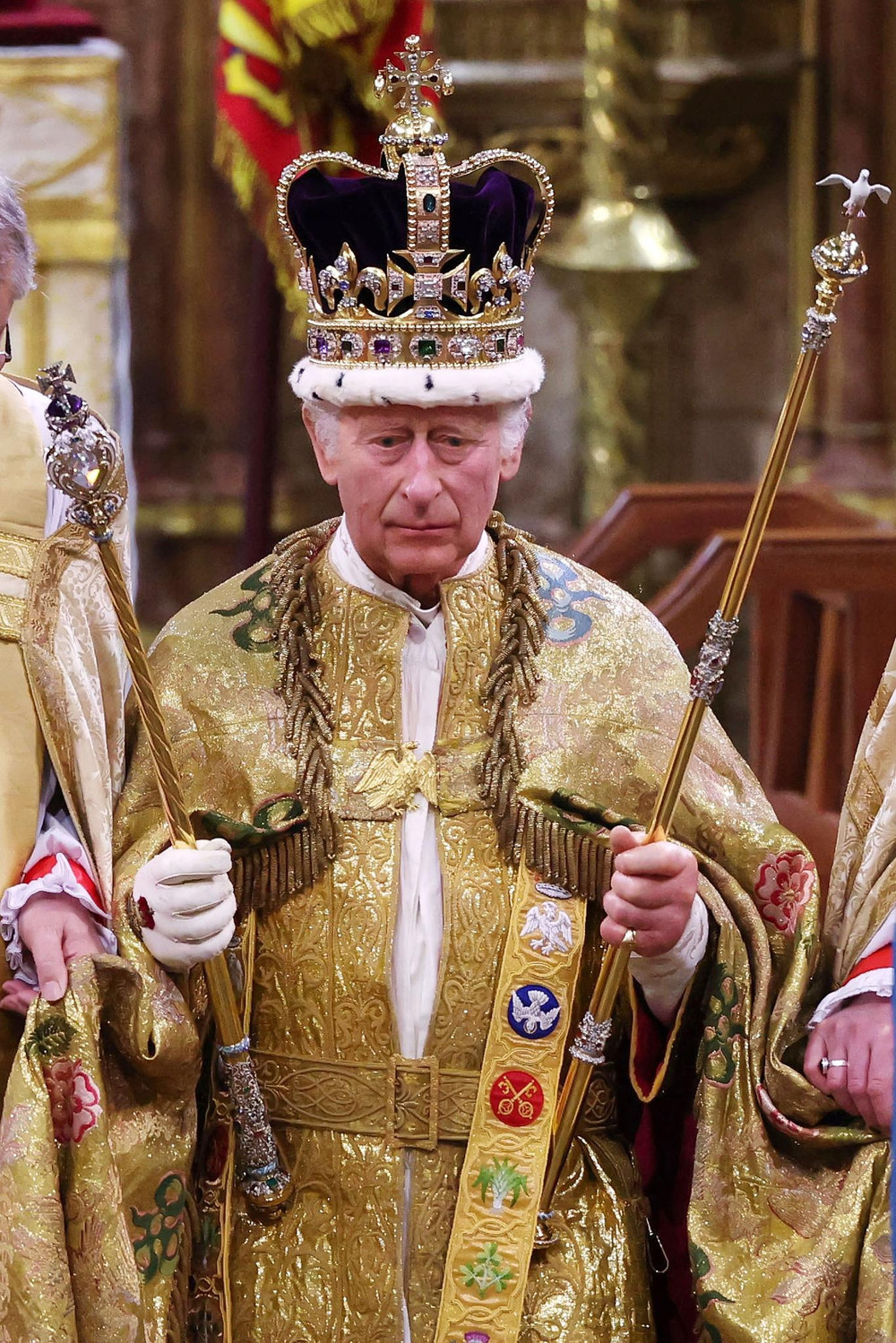
When King Charles III marked Prince William’s birthday, Buckingham Palace issued no press release. There was no explanatory footnote, nor a correction of the record. That silence is precisely why the moment has left the royal press corps stunned.
Buried within the carefully curated text was a detail that reframed the narrative. It wasn’t a new title, but rather the context in which it was deployed. For the first time, the language used to describe the Prince of Wales did not feel like a reference to a distant future. It felt like a description of the immediate present.
📜 A Break from the Script
For decades, royal birthday wishes have followed a rigid template: respectful, polished, and studiously neutral. This message broke that mold.
The wording surrounding Prince William was not merely congratulatory; it was positional. It emphasized responsibility, continuity, and public duty with a specificity rarely afforded to an heir-in-waiting.
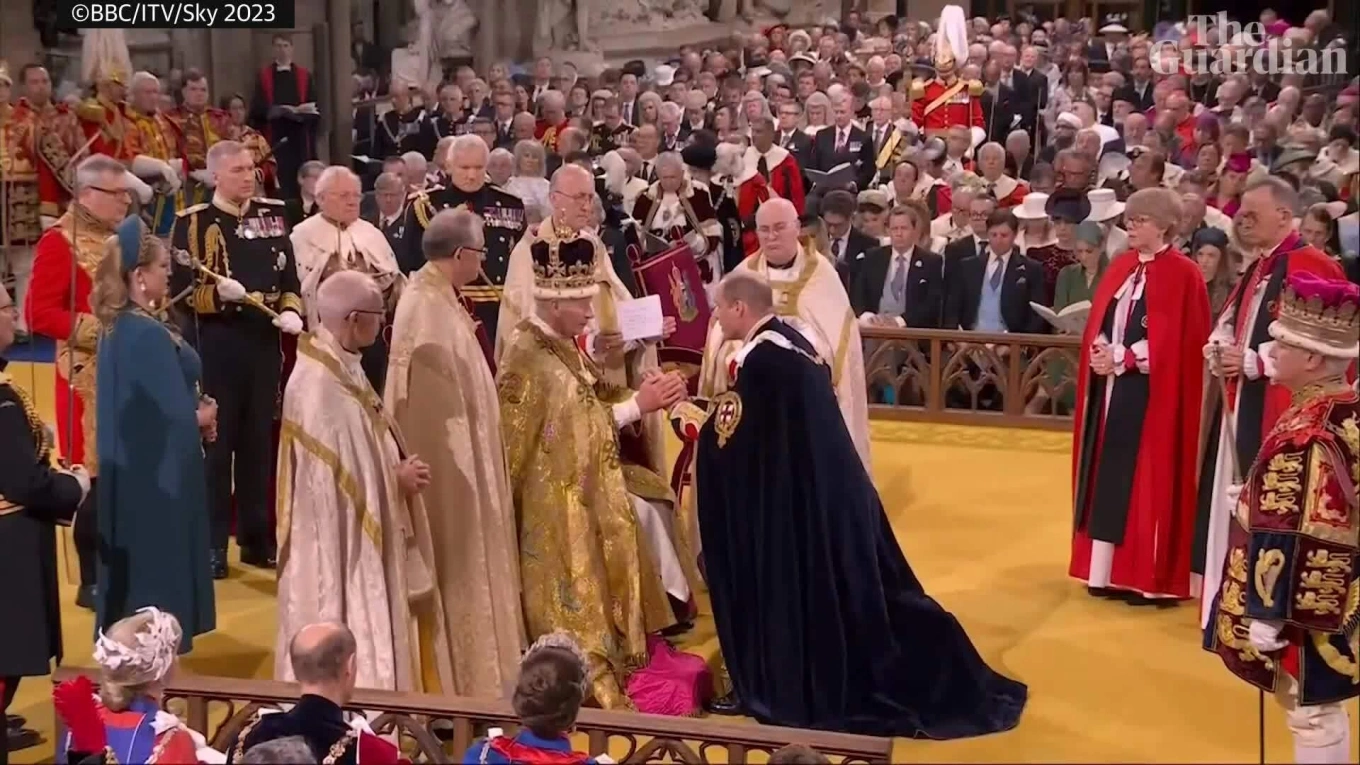
Royal historians immediately noted the deviation. Previous heirs were celebrated as “future kings.” This tribute, however, read like the acknowledgment of a role that is already unfolding.
🔍 The Details That Matter
Why has this specific phrasing set off alarms across royal circles? It comes down to three critical factors:
* Disruption of Pattern: The message abandoned the “heir in waiting” trope in favor of active leadership language.
* The Signal of Trust: Responsibility in the monarchy is not just inherited; it is granted. The text suggests that the baton is being passed not in theory, but in practice.
* Urgency: It hints that the institution is navigating change at a velocity faster than the public realizes.
The Palace did not walk back the wording. In royal terms, where every syllable is vetted, such silence is never accidental.
🤫 The Soft Transition
This moment illuminates the modern royal strategy: Don’t announce; acclimate.
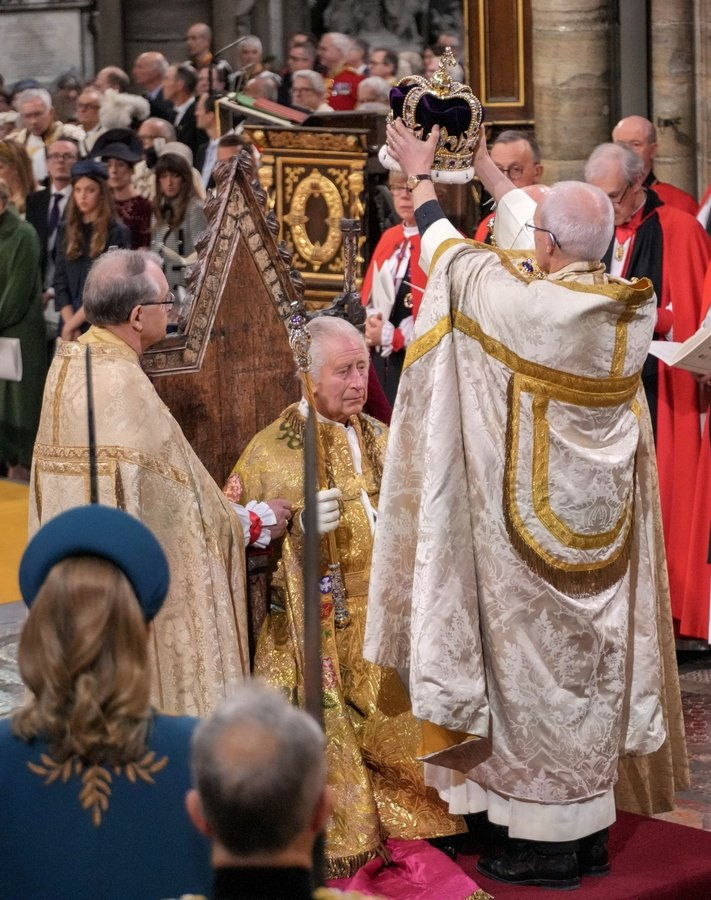
Grand declarations of power transitions create anxiety and backlash. Subtle shifts, however, create acceptance. By adjusting the language surrounding William, the Palace is laying the groundwork not for a headline, but for an inevitability.
They are preparing the public for the future without ever saying the quiet part out loud.
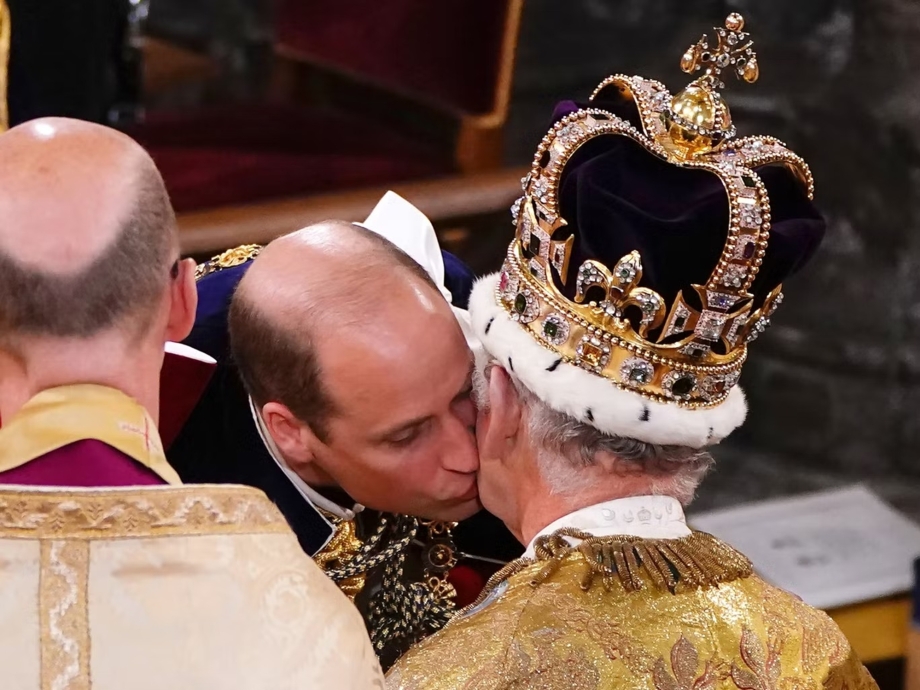
⚖️ The Verdict
The message has forced observers to ask the question no official statement will ever address: Is the transition already happening?
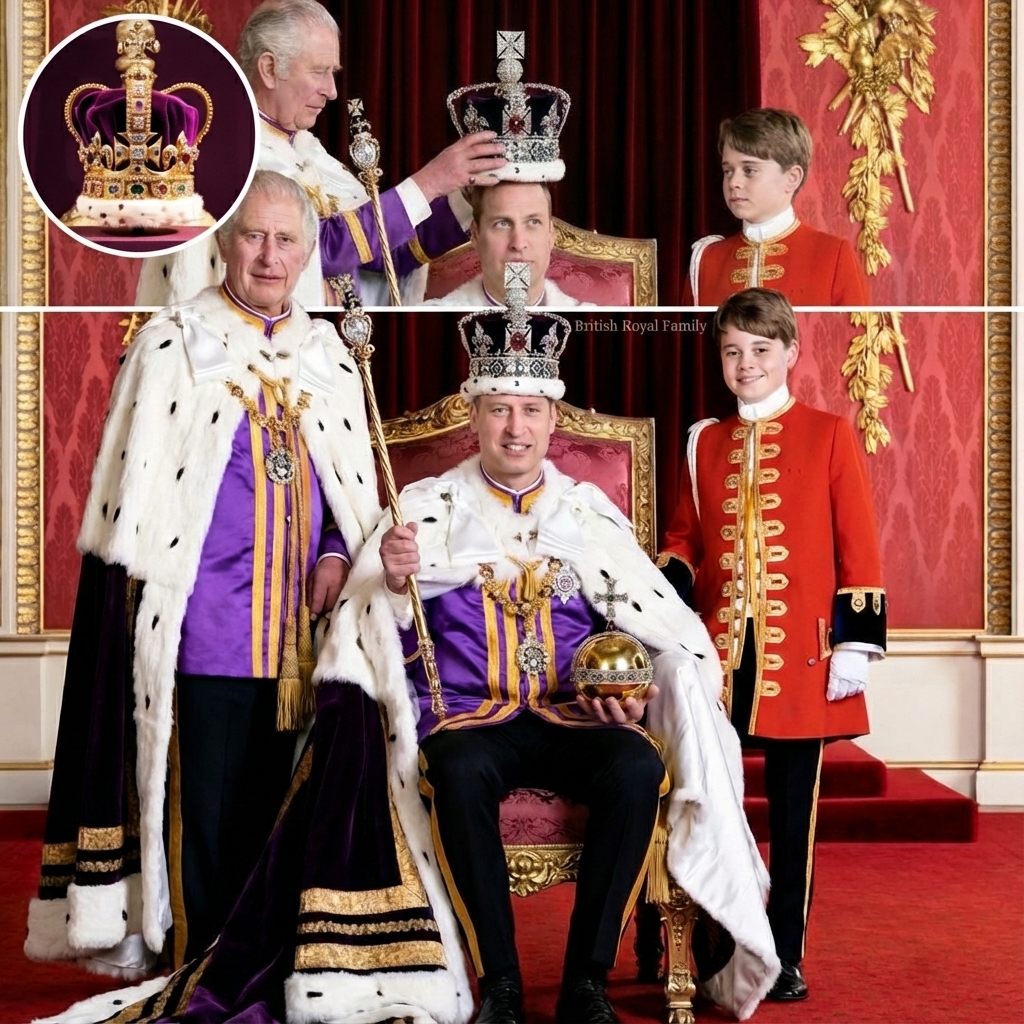
To the casual scroller, it was a birthday post. To those who understand the code of the monarchy, it was a defining moment of legacy.
The King didn’t shout. He whispered.
But as history shows us, whispers from the Palace often echo the loudest.