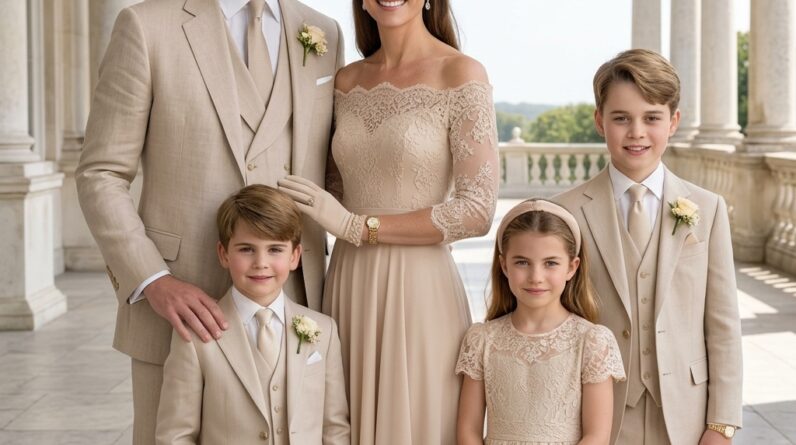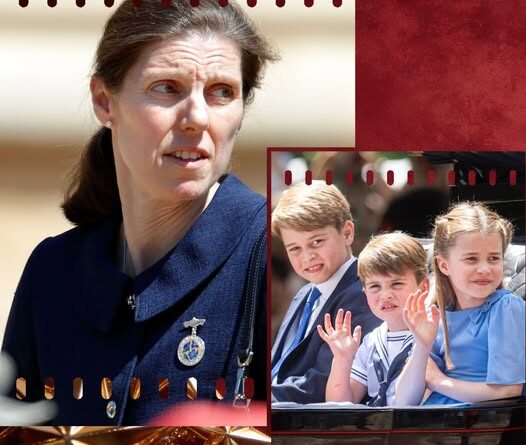
In a world where royal families often maintain a veil of secrecy around their personal lives, Princess Catherine has recently taken a bold step in sharing insights about her family dynamics. In a surprising and heartfelt announcement, she revealed the pivotal role of her nanny, Maria Teresa, in the upbringing of her children. This revelation not only sheds light on the importance of childcare in royal households but also highlights the evolving nature of parenting in the public eye.
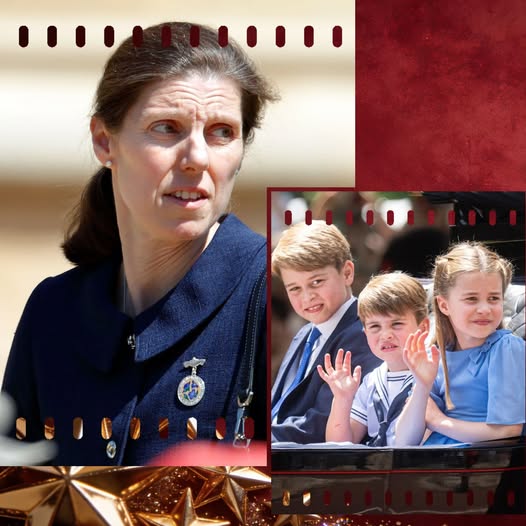
A Trusted Companion
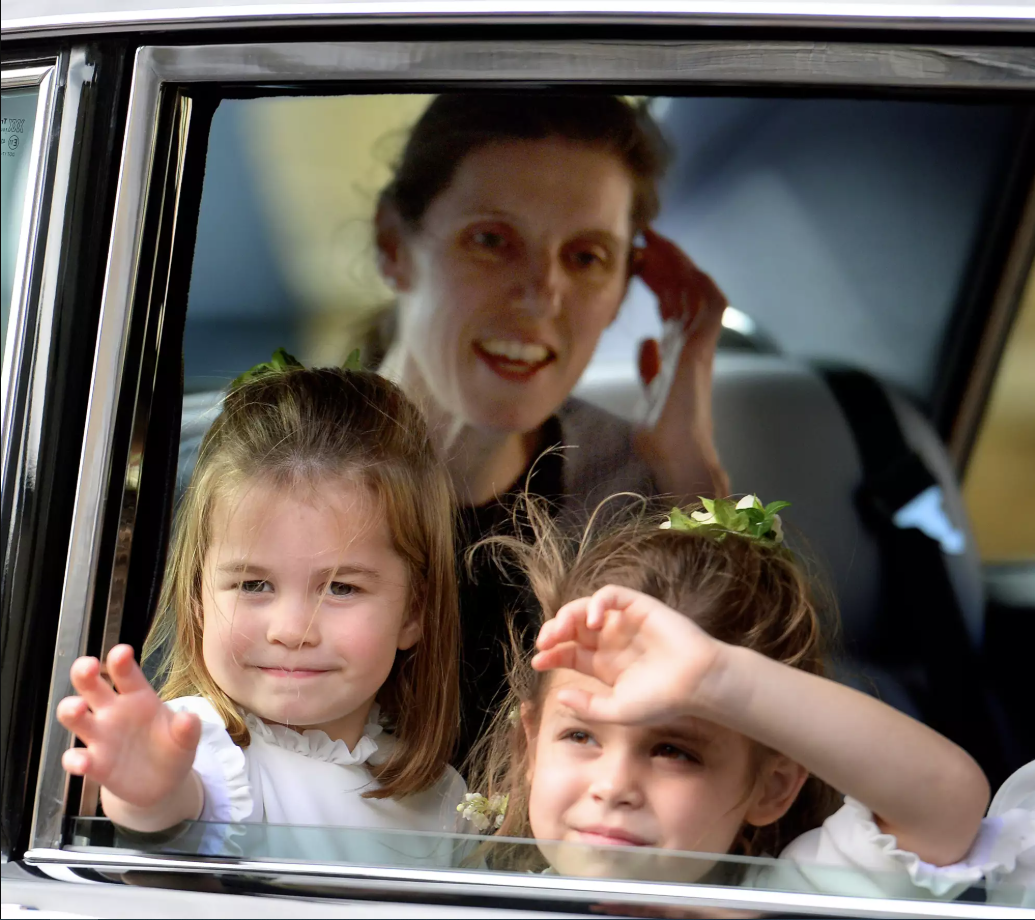
Maria Teresa has been a part of the Cambridge family for several years, and her influence extends beyond mere childcare. In her recent statements, Princess Catherine described Maria Teresa as a “trusted confidante” who has become an integral part of their family unit. This relationship exemplifies the deep bonds that can form between caregivers and children, especially in high-pressure environments like the royal household.
Maria Teresa’s responsibilities encompass a wide range of tasks, from daily care and educational support to emotional guidance. Her presence provides stability for Prince George, Princess Charlotte, and Prince Louis, allowing them to navigate their unique lives with a sense of normalcy. In an era where work-life balance is increasingly valued, Maria Teresa’s role is a testament to the importance of having reliable support systems in place for busy parents.

The Historical Context of Nannies in Royal Families
The tradition of employing nannies in royal households dates back centuries. Historically, nannies were often seen as an extension of the royal family, responsible not only for childcare but also for instilling values and educating young royals. Figures such as Maria Teresa play a crucial role in shaping the character and future of royal children, ensuring they grow up with a strong sense of duty and responsibility.
The Impact of Nannies on Child Development
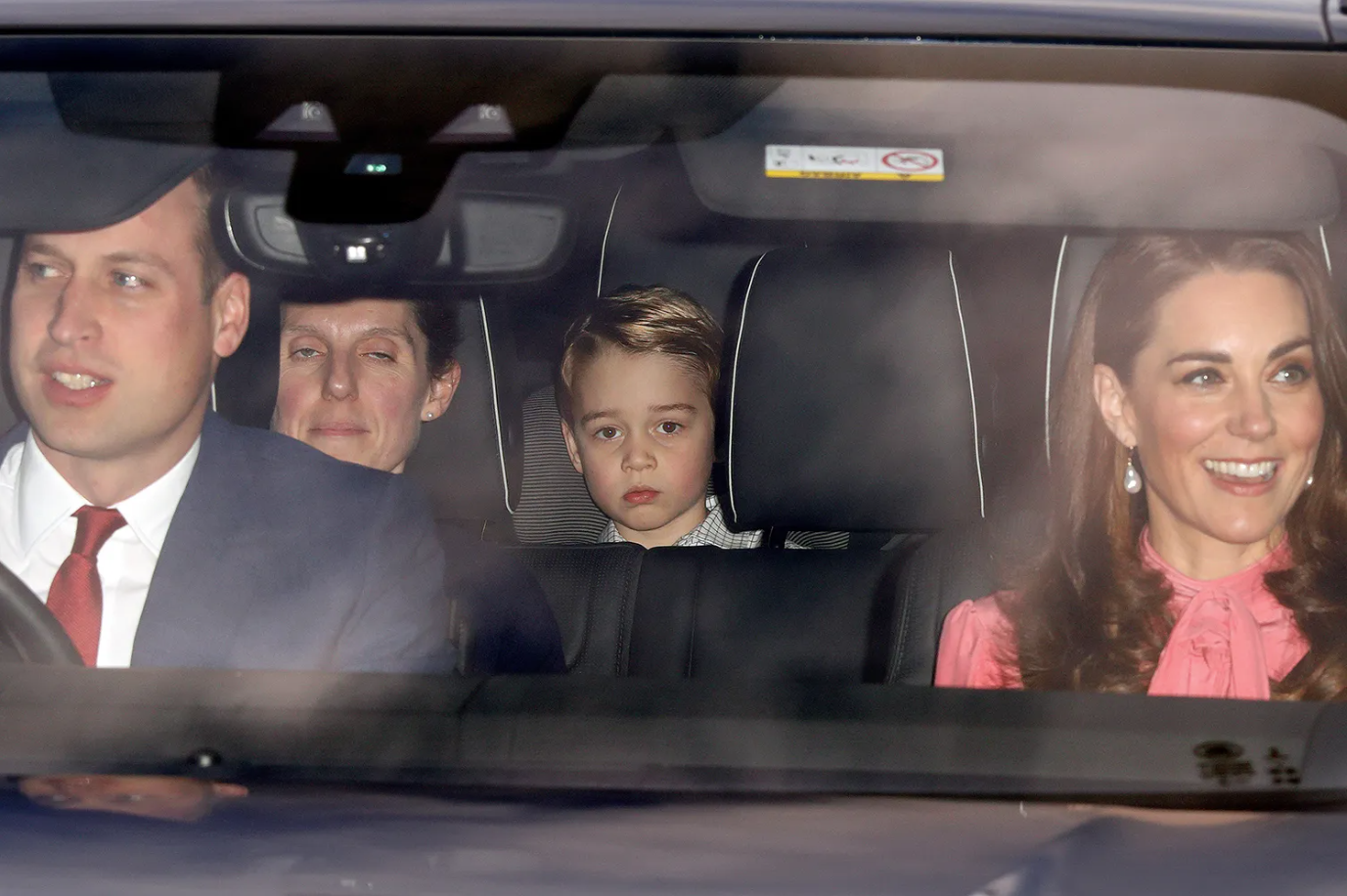
Research has shown that the quality of childcare significantly impacts a child’s emotional and social development. Nannies like Maria Teresa provide personalized attention that can foster secure attachments, enhance learning, and promote emotional well-being. This one-on-one interaction allows children to develop trust and confidence, which are essential for their overall growth.
Modern Parenting and the Role of Support Systems
Princess Catherine’s revelation about Maria Teresa highlights a broader trend in modern parenting: the recognition of the importance of support systems. As more parents navigate the challenges of balancing careers and family life, the role of nannies and caregivers is becoming increasingly significant. The stigma surrounding seeking help in parenting is diminishing, with many acknowledging that it takes a village to raise a child.

Catherine’s openness about her reliance on Maria Teresa serves as an encouragement for parents everywhere to seek support when needed. It emphasizes that asking for help is not a sign of weakness, but rather a proactive step towards ensuring the well-being of both parents and children.
Princess Catherine’s candid acknowledgment of Maria Teresa’s vital role in her children’s lives is a refreshing departure from the traditional secrecy often associated with royal family dynamics. This revelation not only humanizes the royal family but also resonates with parents worldwide who face similar challenges in their own lives. As society continues to evolve, so too does the understanding of parenting, emphasizing the importance of community and support.
Maria Teresa’s influence on the Cambridge children is a reminder that nurturing relationships, whether with family members or caregivers, are essential in fostering a loving and supportive environment for children to thrive. As we move into a new era of parenting, let us take inspiration from this royal family and embrace the support systems that can help us all navigate the beautiful, yet challenging, journey of raising children.